Cold Storage Solutions for the Food & Beverage Industry
Cold storage sits at the heart of every food manufacturing operation, yet it rarely gets much attention—until something goes wrong. A compressor failure during peak season or a sudden capacity crunch can turn a routine week into an expensive scramble.
We’ll cover how temperature-controlled storage works across the food and beverage sector, the challenges that drive businesses toward flexible solutions, and practical approaches to scaling capacity without committing to permanent infrastructure.
Reliable cold storage for food & beverage operations
Food manufacturing cold storage refers to temperature-controlled warehousing that extends shelf life, maintains safety, and preserves quality for perishable goods. Facilities typically operate across distinct climate zones – chilled storage runs between 0°C and 10°C, while deep frozen environments hold steady at -18°C to -25°C, with superfreezers reaching as low as -70°C for ultra-low-temperature applications.
This precise temperature control prevents microbial growth and significantly reduces food waste throughout the supply chain.
For food and beverage businesses, consistent refrigeration isn’t just about quality—it’s about protecting inventory, meeting regulatory requirements, and keeping operations running smoothly. When existing cold storage reaches capacity or equipment fails unexpectedly, having access to flexible storage options can mean the difference between business as usual and a costly disruption.
Industry challenges facing food & beverage businesses
Running a food or beverage operation means working within tight regulatory boundaries where temperature control directly affects product safety. A few degrees of variance can trigger compliance issues, compromise product integrity, or result in entire batches heading to waste rather than customers.
The tricky part? Many of the situations that strain cold storage capacity arrive without much warning.
Common challenges include

Limited capacity during peak periods: Holiday seasons, promotional campaigns, and unexpected order surges can quickly overwhelm existing infrastructure
Equipment breakdowns: Compressor failures and refrigeration malfunctions put entire inventories at risk, often at the worst possible time
Food safety compliance: FDA, USDA, and HACCP regulations require consistent temperature documentation and monitoring
Rising operational costs: Energy prices and maintenance expenses continue climbing year over year
Warehouse expansion constraints: Building permanent cold storage requires capital, planning approvals, and months of construction
Product spoilage: Temperature excursions—even brief ones—can render products unsellable and create significant financial losses
The need for flexible cold storage solutions
Building a permanent cold room involves substantial upfront investment, lengthy approval processes, and construction timelines that often stretch into months. For many food and beverage operations, that pace doesn’t match how quickly business conditions change.
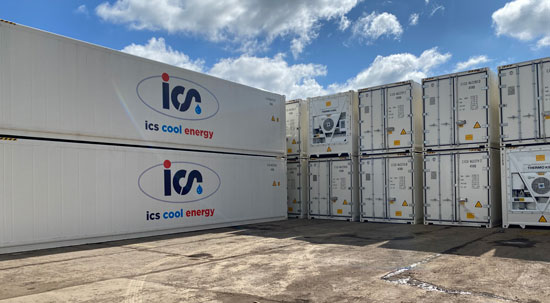
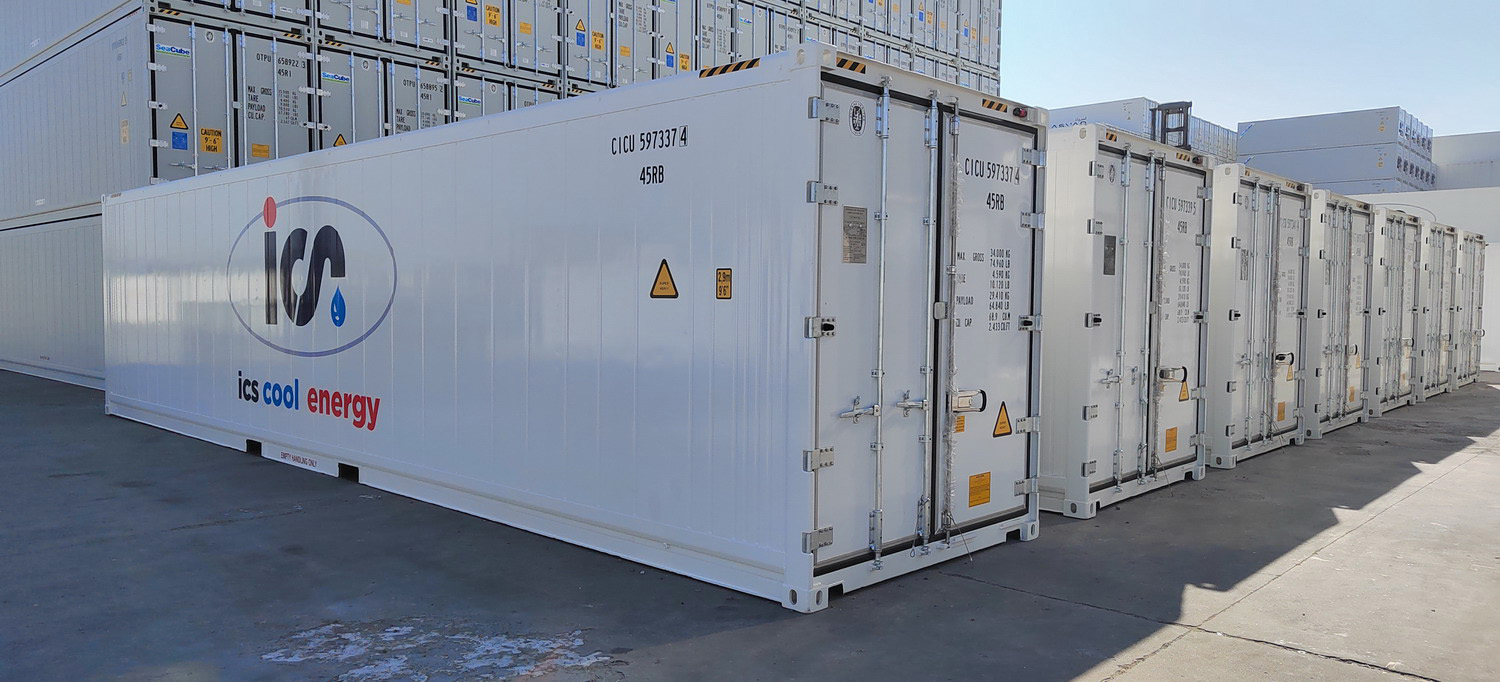
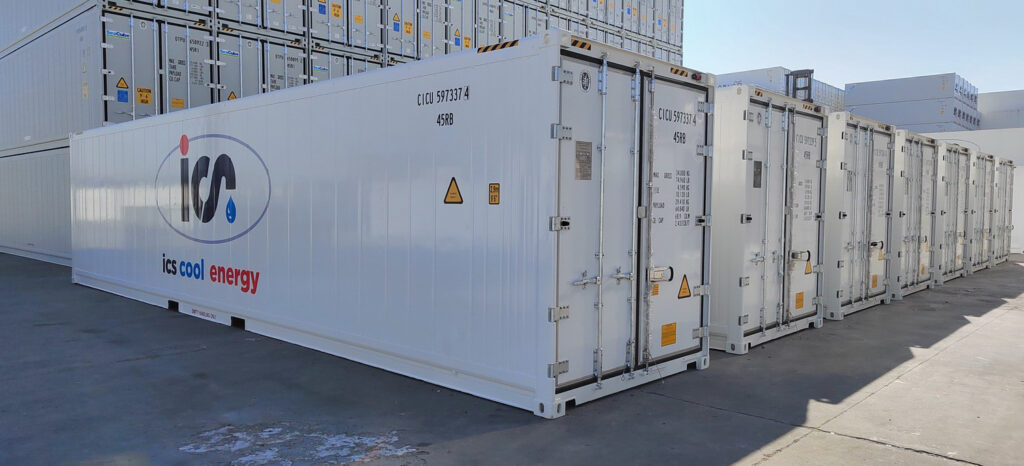
Containerised cold storage works differently. Modular cold stores arrive ready to deploy, can scale up or down based on current demand, and can be removed once the immediate requirement passes. There’s no permanent infrastructure commitment, which makes this approach particularly useful during facility upgrades, equipment maintenance windows, or when testing new markets before committing to expansion.
The flexibility also helps during less predictable situations—an unexpected equipment failure, a sudden large order, or a supply chain disruption that requires holding more inventory than usual.
How ics cool energy supports the food & beverage sector
ICS Cool Energy provides both short and long-term cold storage solutions built around the specific requirements of food and beverage operations.
The focus centres on getting units deployed quickly, maintaining reliable temperature control, and providing ongoing technical support throughout the rental period.
Our cold storage solutions include

Containerised cold storage units: Self-contained, portable units designed for rapid installation
Chilled storage applications: Maintaining temperatures between 0°C and 10°C for fresh produce, dairy, and beverages
Frozen storage applications: Holding temperatures between -18°C and -25°C for meats, seafood, and frozen products
Emergency refrigeration solutions: Rapid response capability when existing equipment fails
Flexible rental terms: Short-term hire or extended agreements depending on operational requirements
Key features
Precise temperature control
Maintains product quality and supports compliance documentation

Fast installation
Reduces time between request and operational capacity

Energy-efficient operation
Helps manage running costs over the rental period

Scalable Capacity
Allows adjustment as business conditions change

24/7 Technical Support
Provides assistance whenever issues arise
Food & beverage applications
Cold storage requirements look quite different depending on where a business sits in the supply chain. A food manufacturer storing raw ingredients faces different challenges than a caterer preparing for a large event, even though both rely on consistent temperature control.
Food Manufacturing
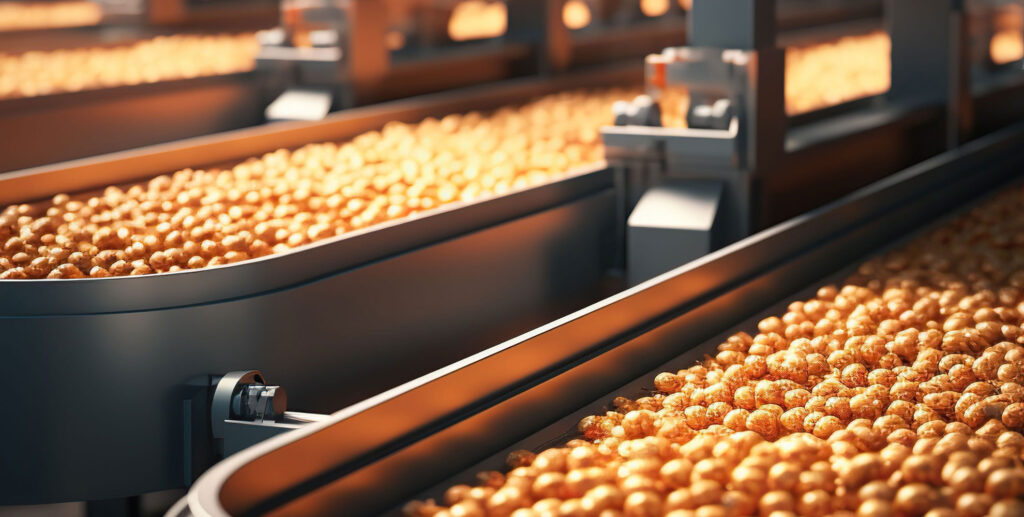
Production facilities often store raw materials, work-in-progress inventory, and finished goods simultaneously—each with specific temperature requirements. When production scales up, additional containerised storage can provide the extra capacity without disrupting existing workflows or requiring permanent construction.
Beverage Production and Breweries
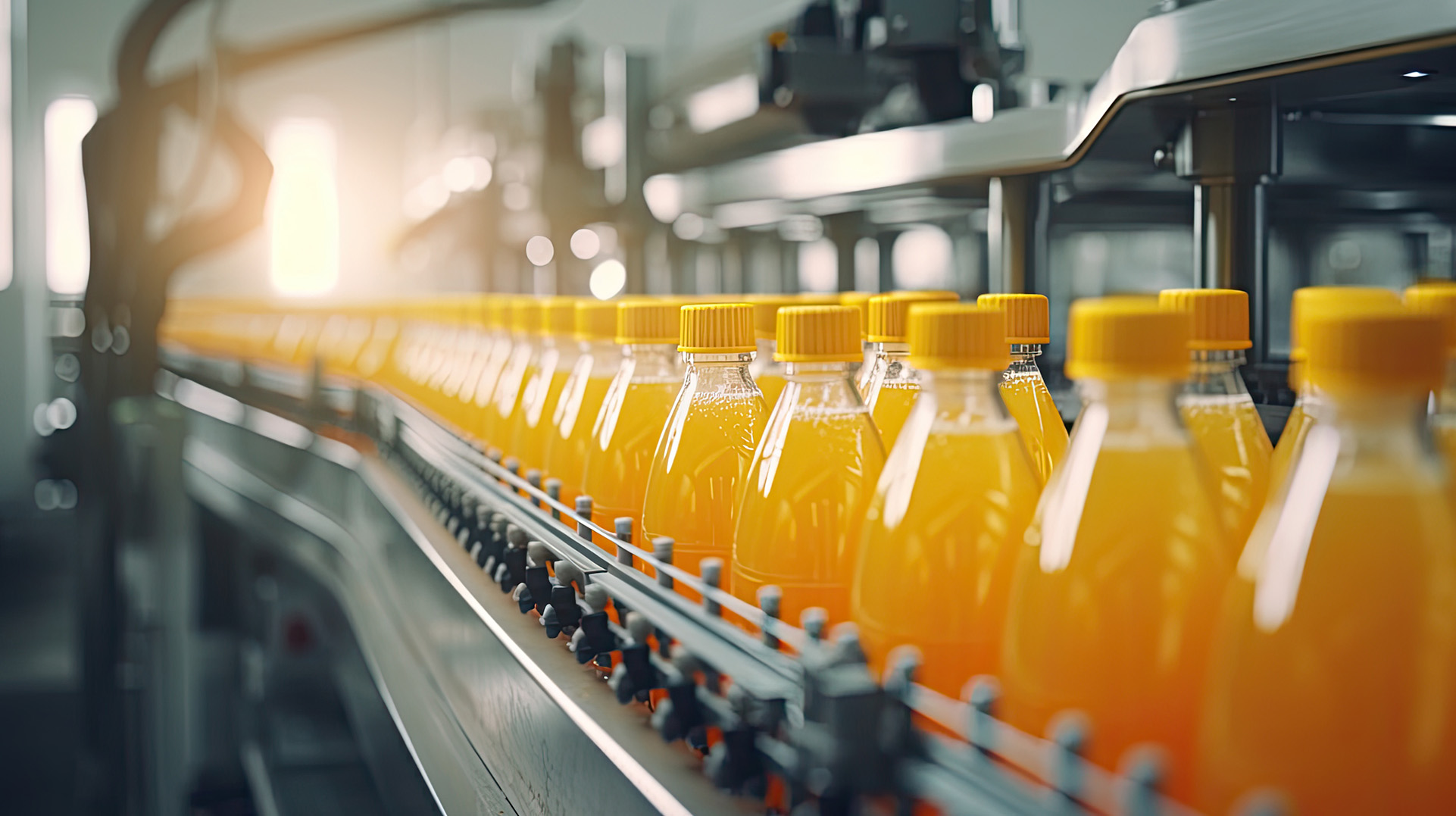
Brewing ingredients like hops and yeast are sensitive to temperature fluctuations, and many finished beverages require specific storage conditions to maintain flavour profiles. cold storages don’t just provide chilled conditions. Many brewery ingredients and materials – including malt, brewing additives, enzymes, packaging materials and certain chemicals require stable, temperature-controlled storage between around 15°C and 30°C to maintain their quality and performance

Dairy and Frozen Foods
Dairy products and frozen foods demand particularly strict temperature control. Even brief temperature excursions can affect texture, compromise safety, and shorten shelf life. For operations handling temperature-sensitive products, reliable backup storage becomes especially valuable.
Food Distribution and Logistics
Distribution centres frequently experience seasonal capacity crunches—holiday periods, promotional campaigns, and supply chain disruptions can all create temporary storage shortfalls. Portable cold storage units can bridge capacity gaps without requiring permanent infrastructure investment.

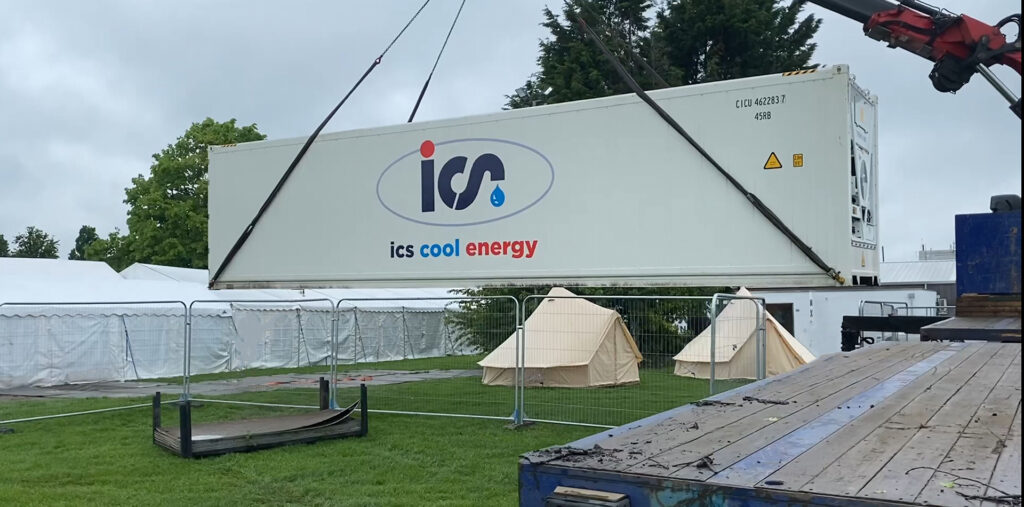
Hospitality and Catering
Hotels, restaurants, and event caterers often face variable storage demands. Peak trading periods, kitchen refurbishments, and large-scale events can all create temporary requirements that exceed normal capacity. Portable units offer a practical solution that can be deployed for specific timeframes and removed afterward.
Benefits of cold storage hire for food & beverage businesses

Protect product quality
Consistent temperatures throughout storage preserve freshness, texture, and shelf life. This applies whether you’re storing fresh produce for a few days or frozen goods for several months. Temperature stability directly affects the condition of products when they reach customers.
Maintain food safety compliance
Temperature monitoring and documentation sit at the centre of food safety regulations. Purpose-built cold storage units support compliance with FDA, USDA, and HACCP requirements through reliable, consistent performance and monitoring capabilities.
Scale storage capacity quickly
When demand increases or opportunities arise, additional capacity can come online in days rather than months. This responsiveness helps capture seasonal opportunities and respond to market changes without overcommitting to permanent infrastructure.
Tip: Consider arranging standby cold storage agreements before peak seasons arrive. Having a solution pre-planned can significantly reduce response time when additional capacity becomes urgent.
Minimise downtime
Equipment maintenance, facility upgrades, and unexpected breakdowns don’t have to halt operations entirely. Temporary cold storage provides continuity while primary systems are offline, whether for planned maintenance or emergency repairs.
Reduce capital expenditure
Hiring cold storage converts what would otherwise be a major capital expense into a manageable operational cost. This approach preserves cash flow for other business priorities while still meeting storage requirements during peak periods or growth phases.
Improve operational resilience
The ability to respond quickly to changing circumstances—whether that’s a broken compressor, a surprise order, or a new product launch—provides operational flexibility. Having access to rapid-deployment cold storage means unexpected situations don’t automatically become crises.
Why customers choose ICS Cool Energy
Proven cold storage expertise: Deep experience across diverse food and beverage applications
Rapid deployment: Units available and ready for quick installation when timing matters
Flexible rental options: Terms structured around operational requirements rather than rigid contracts
Nationwide support: Coverage across operating locations throughout the service area
Reliable temperature control: Consistent performance in demanding environments
24/7 technical assistance: Support available whenever issues arise, regardless of time
Talk to our cold storage experts
Whether you’re planning for seasonal demand, expanding production capacity, or preparing contingency plans for equipment downtime, the right cold storage solution can make a meaningful difference to daily operations.
Our team can help assess your specific requirements, recommend appropriate solutions, and arrange deployment within your required timeframe.
FLEXIBLE SUBSCRIPTION PLANS
Our Flex membership allows you to scale quickly and have the latest cooling technology without capital investment for a fixed monthly fee.
Frequently asked questions
Containerised cold storage units typically offer chilled storage between 0°C and 10°C for fresh produce, dairy, and beverages. Frozen storage maintains temperatures between -18°C and -25°C for meats, seafood, and frozen products, and superfreezer units reach as low as -70°C. Specific temperature setpoints can be configured and monitored to match particular product requirements.
Deployment timelines depend on unit availability and site requirements, though many installations can be completed within days rather than weeks. Emergency situations often receive priority scheduling to minimise product risk and operational disruption. Discussing your timeline requirements early in the conversation helps ensure appropriate units are available when you need them.
Yes. Temporary pharmaceutical cold storage is a practical solution for a range of situations – including product launches, clinical trial programmes, planned maintenance shutdowns, emergency backup, and capacity overflow. ICS Cool Energy offers short-term hire options that can be deployed quickly across the UK. Temporary cold storage units are designed to meet the same temperature control and monitoring standards as permanent installations.