
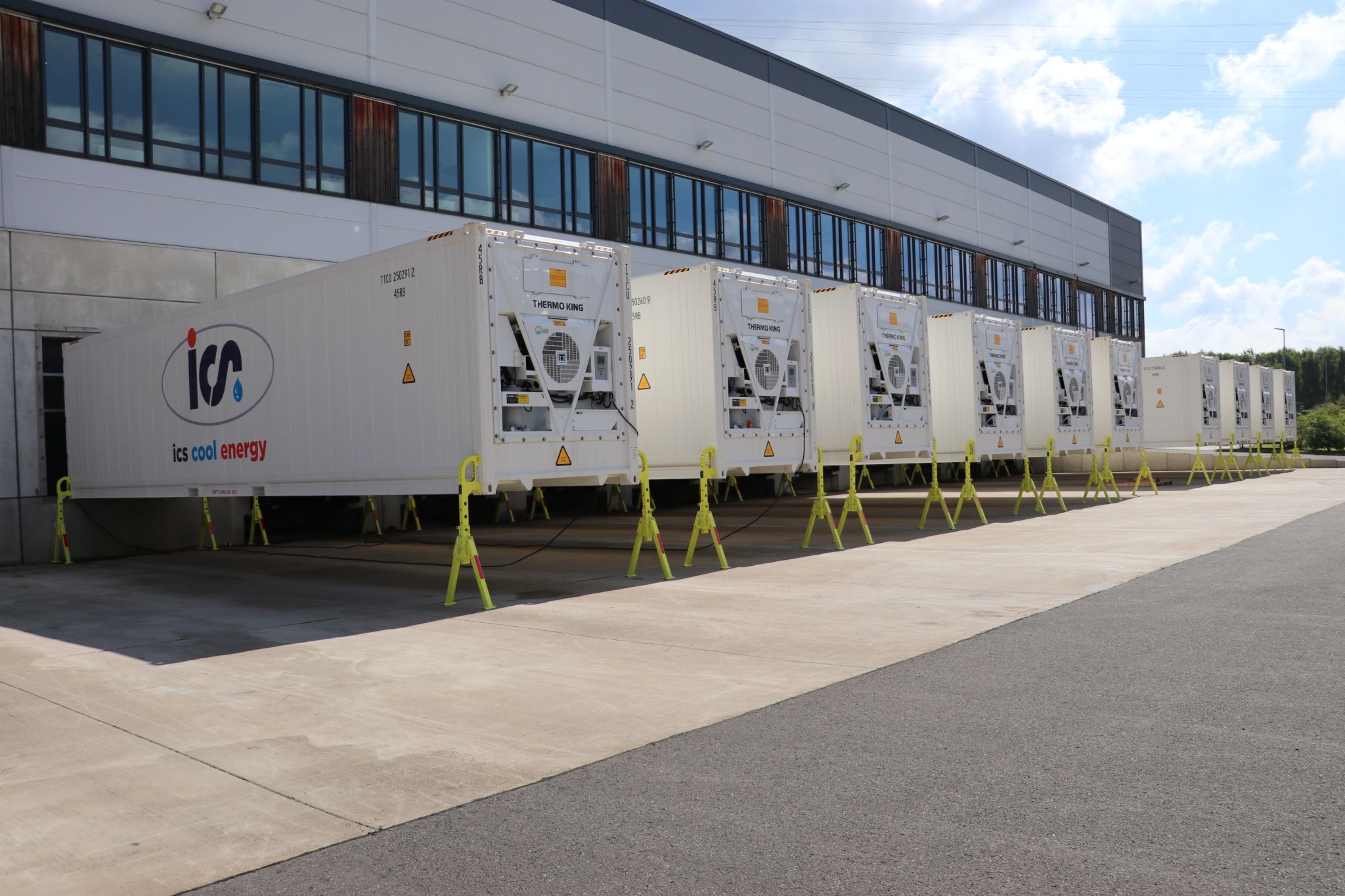

Cold Storage for Pharmaceuticals
GDP-compliant, temperature-controlled storage solutions for pharmaceuticals, vaccines, and clinical materials – designed for regulated environments where product integrity is non-negotiable.



Why cold storage matters to pharmaceuticals
Even minor temperature excursions in pharmaceutical storage can lead to product degradation, regulatory non-compliance, and significant financial loss. As a result, storage requirements differ depending on the sensitivity and classification of each product type. Products that depend on strict temperature control include:
Vaccines – typically stored at 2–8°C, with zero tolerance for excursions that could affect immunogenicity
Biologics and biosimilars – protein-based therapies that degrade rapidly outside validated temperature ranges
Clinical trial materials – where chain-of-custody integrity and documented storage conditions are essential for regulatory submissions
Specialty injectables and advanced therapy medicinal products (ATMPs) – often requiring frozen or ultra-low storage
If your operation handles any of these products, the cold storage infrastructure you choose is a compliance system — not just a piece of refrigeration equipment.
Temperature requirements for pharmaceuticals
Different products require different storage conditions. Understanding the key temperature bands — and the risks of deviating from them — is the starting point for choosing the right solution.

Ultra-Low Temperature
-40°C and below
Increasingly in demand for cell and gene therapies, mRNA vaccines, and advanced biologics. Even small temperature changes at this range can be critical. Systems must maintain setpoint stability under real operating conditions — not just in an empty, ideal-environment test.
Why temperature deviation matters: A single excursion event can trigger product quarantine, lot holds, stability assessments, deviation investigations, CAPAs, and potential write-offs. The cost of a failed cold storage system is rarely just the equipment — it is the product, the time, and the regulatory exposure that follow.
Regulatory compliance: GDP and UK pharmaceutical storage standards
If you store or distribute medicinal products in the UK or EU, GDP – Good Distribution Practice – sets out the framework your cold storage must operate within. It is not a guideline. It is a legal requirement.
What GDP requires from your cold storage operation:
- Continuous temperature monitoring — storage areas must be monitored at appropriate intervals, with records retained and accessible for inspection
- Data logging — automated, tamper-evident records of temperature conditions throughout the storage period
- Calibration — monitoring equipment must be calibrated at defined intervals against traceable standards
- Temperature mapping — storage areas must be mapped to identify hot and cold spots and confirm uniform conditions
- Alarm systems — alerts must be configured to notify responsible personnel when conditions deviate from defined limits
- Audit trails — complete, retrievable records that demonstrate compliance during inspections by the MHRA or other regulatory bodies
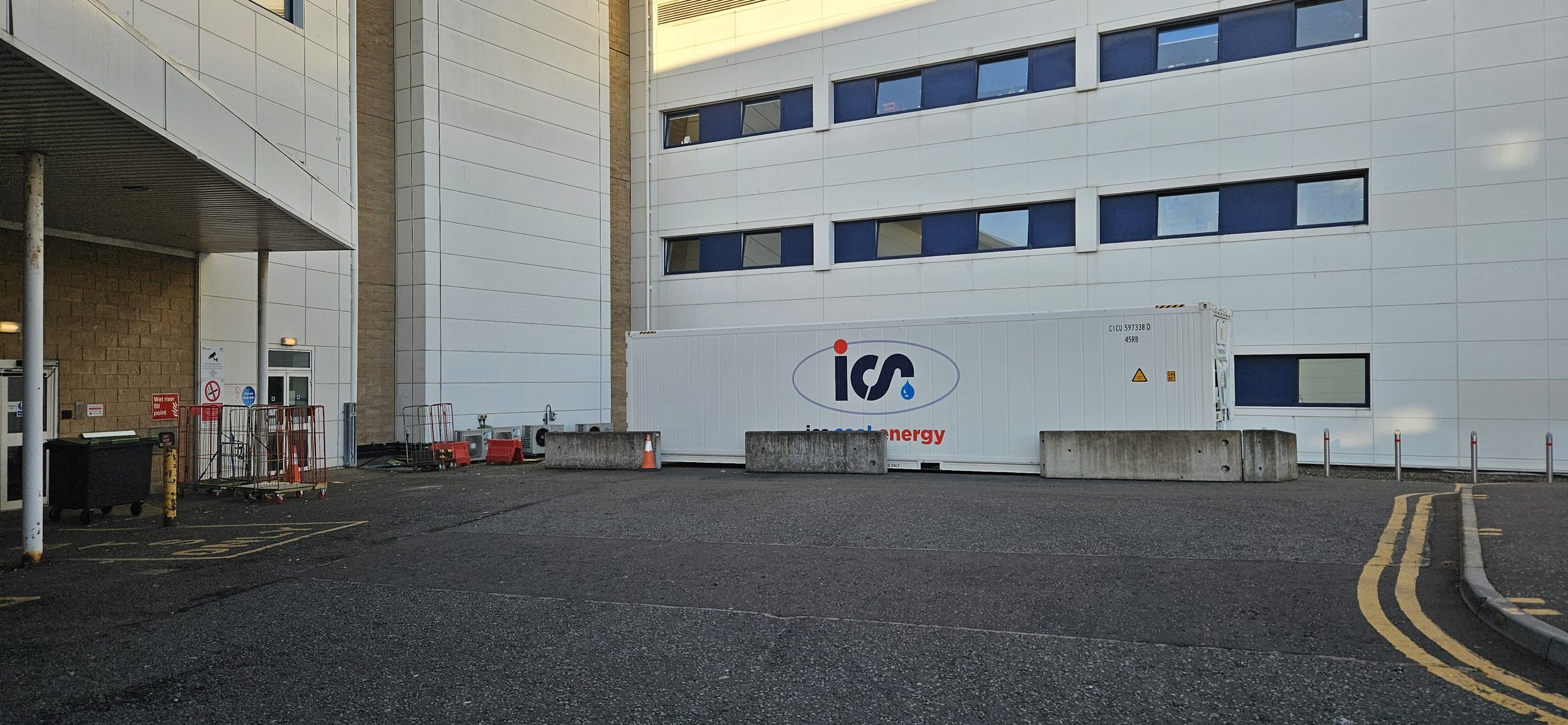
ICS Cool Energy systems are designed to support GDP compliance. Our solutions include remote monitoring, data logging, and alarm functionality — giving your QA team the documentation and traceability they need, without adding to the manual recordkeeping burden.
Audit ready from day one. We understand that documentation quality matters as much as physical temperature control. If your records are incomplete or your calibration is overdue, the cold storage system itself becomes a compliance liability.
Common challenges in pharmaceutical cold storage
If any of these situations sound familiar, you are not alone – and the consequences of getting cold storage wrong are significant.

Equipment Failure at the Wrong Moment
Compressor faults, door seal failures, sensor drift, and power instability do not wait for business hours. If your cold storage system fails at 2 a.m. and there is no backup power, no redundant refrigeration, and no 24/7 monitoring in place, the consequences can be serious before anyone even knows there is a problem.
Fragmented Monitoring and Documentation
Many operations manage cold storage data across disconnected systems — BMS, standalone loggers, manual QA records, and spreadsheets. The result is not just inefficiency. It is incomplete audit trails, slow deviation investigations, and gaps that regulators notice.
Regulatory Risk
A weak cold storage provider becomes a compliance liability. If your storage conditions, calibration records, alarm responses, or temperature mapping cannot withstand scrutiny from the MHRA, an EU competent authority, or a client audit, the risk sits with your organisation — not your supplier.
These are the challenges ICS Cool Energy is built to help you address. Let us look at how.
Key features and benefits of our pharmaceuticals cold storage solutions
Here is what you can expect from an ICS cold storage solution — and what each feature means in practice for your operation.
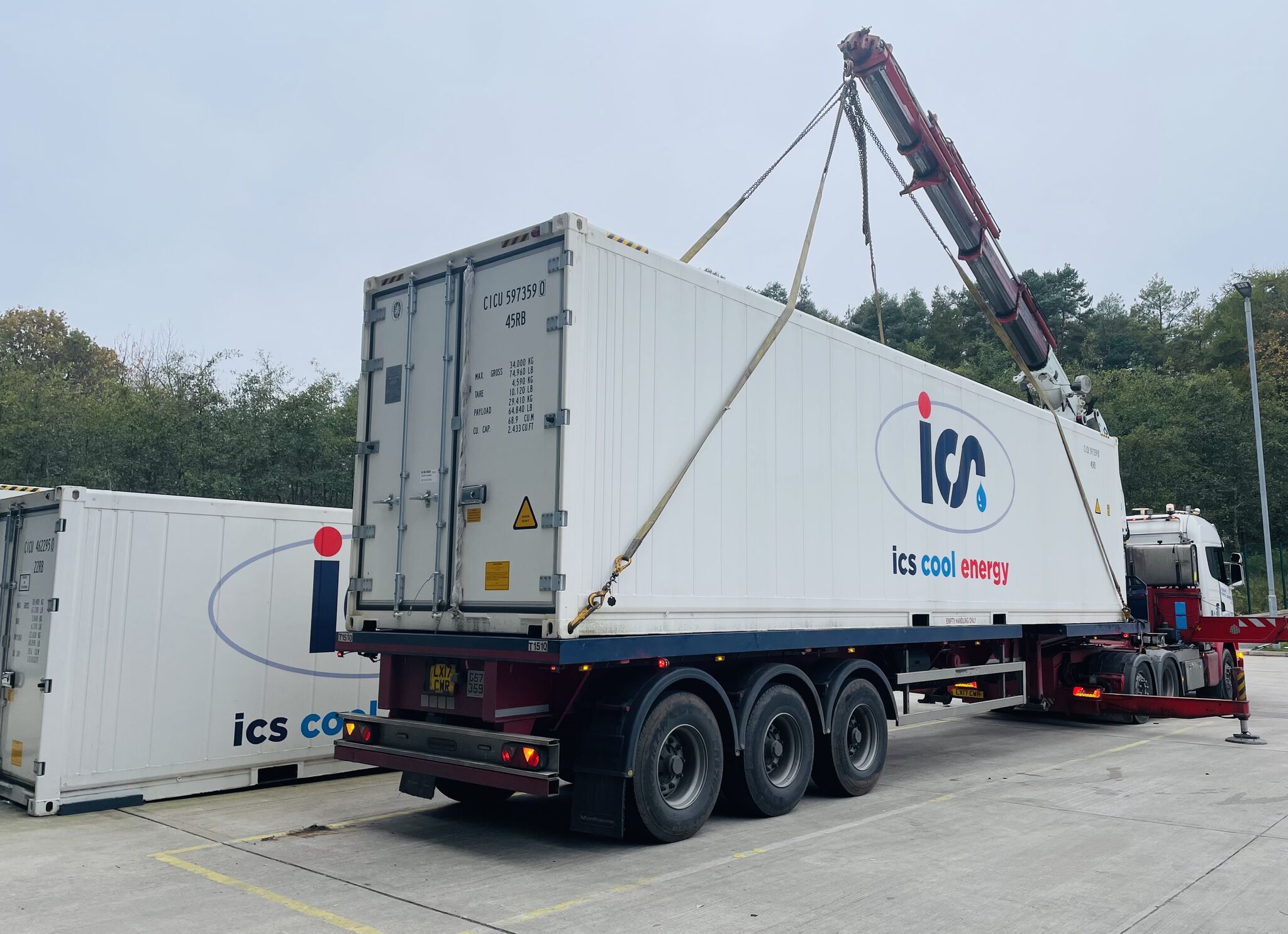
24/7 monitoring and alarm systems
Continuous temperature monitoring with configurable alarm thresholds. Alerts reach the right people at the right time — day or night.
What this means for you: Faster intervention when conditions deviate. Less chance of a monitoring gap becoming a product loss event.
Data logging for audit trails
Automated, time-stamped temperature records that support GDP compliance and quality investigations. Data is retrievable and structured for audit readiness.
What this means for you: Your QA team can answer auditor questions quickly. Deviation investigations are faster and better supported.
Backup power integration
Options to integrate backup power supply, reducing vulnerability to mains failures and protecting high-value inventory during outages.
What this means for you: Reduced exposure to product loss from power interruptions — including overnight and at weekends.
Backup power integration
Options to integrate backup power supply, reducing vulnerability to mains failures and protecting high-value inventory during outages.
What this means for you: Reduced exposure to product loss from power interruptions — including overnight and at weekends.
Nationwide delivery and installation
With depots across the UK, we can deploy and install cold storage solutions efficiently — minimising disruption to your active operations.
What this means for you: Capacity when and where you need it, without lengthy lead times or complex logistics.
Flexible subscription options
Our Flex membership lets you access the latest temperature control technology for a fixed monthly fee — no capital investment required. Scale up or down as your needs change.
What this means for you: Predictable costs, no large upfront outlay, and the ability to respond quickly to changing capacity demands.



Who uses ICS pharmaceutical cold storage solutions?
Our solutions support a range of operations across the pharmaceutical and life sciences sector. If your work falls into any of these categories, we are well placed to help.
Clinical trial storage
Investigational medicinal products (IMPs) require documented, validated storage conditions from receipt through to dispensing. Temperature excursions during a clinical trial can affect data integrity and regulatory submissions.
We provide temperature-controlled storage that supports chain-of-custody requirements and generates the records your clinical team needs.
Vaccine storage and distribution
Vaccines are among the most temperature-sensitive pharmaceutical products. Most require continuous 2–8°C storage, with zero tolerance for freeze events or heat excursions.
Our refrigerated solutions maintain consistent conditions and provide the monitoring and alarm infrastructure needed for GDP-compliant vaccine storage.
Emergency backup storage
When your primary cold storage fails — or when planned maintenance requires a temporary shutdown — you need a reliable backup solution that can be in place before product is at risk. With 5 UK depots and 24/7 support, we can respond quickly when an emergency arises. We appreciate how much is at stake in these situations.
Choosing the Right Pharmaceutical Cold Storage Solution
The right solution depends on your temperature requirements, your timeline, your site constraints, and how long you need the capacity. Here is a straightforward guide to help you think it through.
Containerised vs Modular
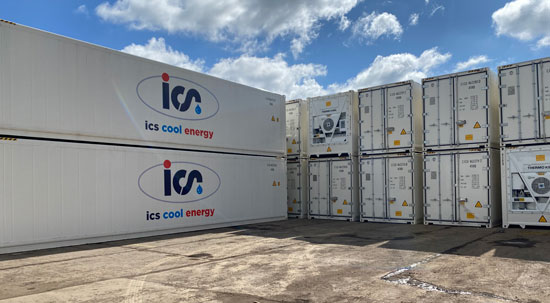
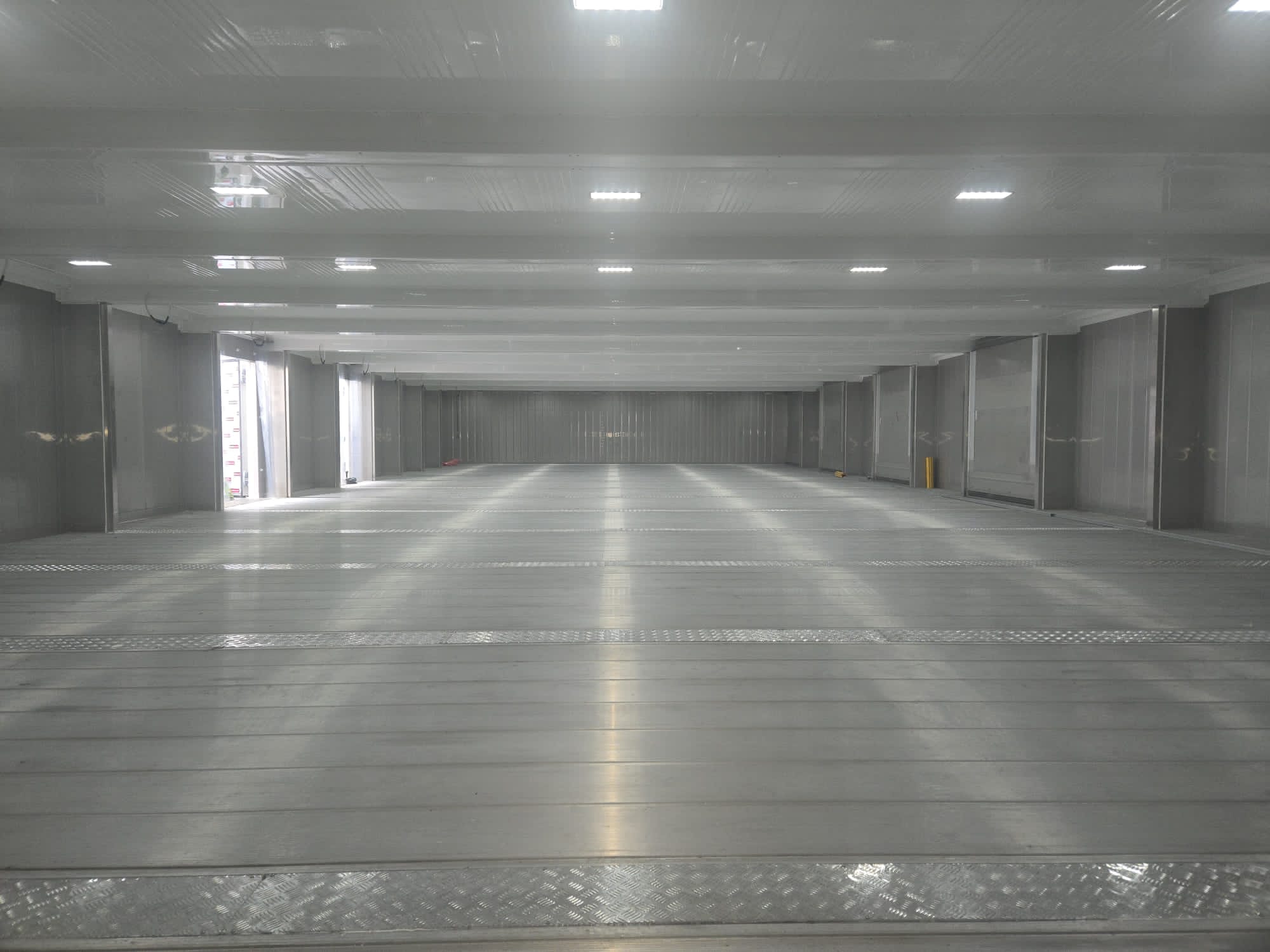
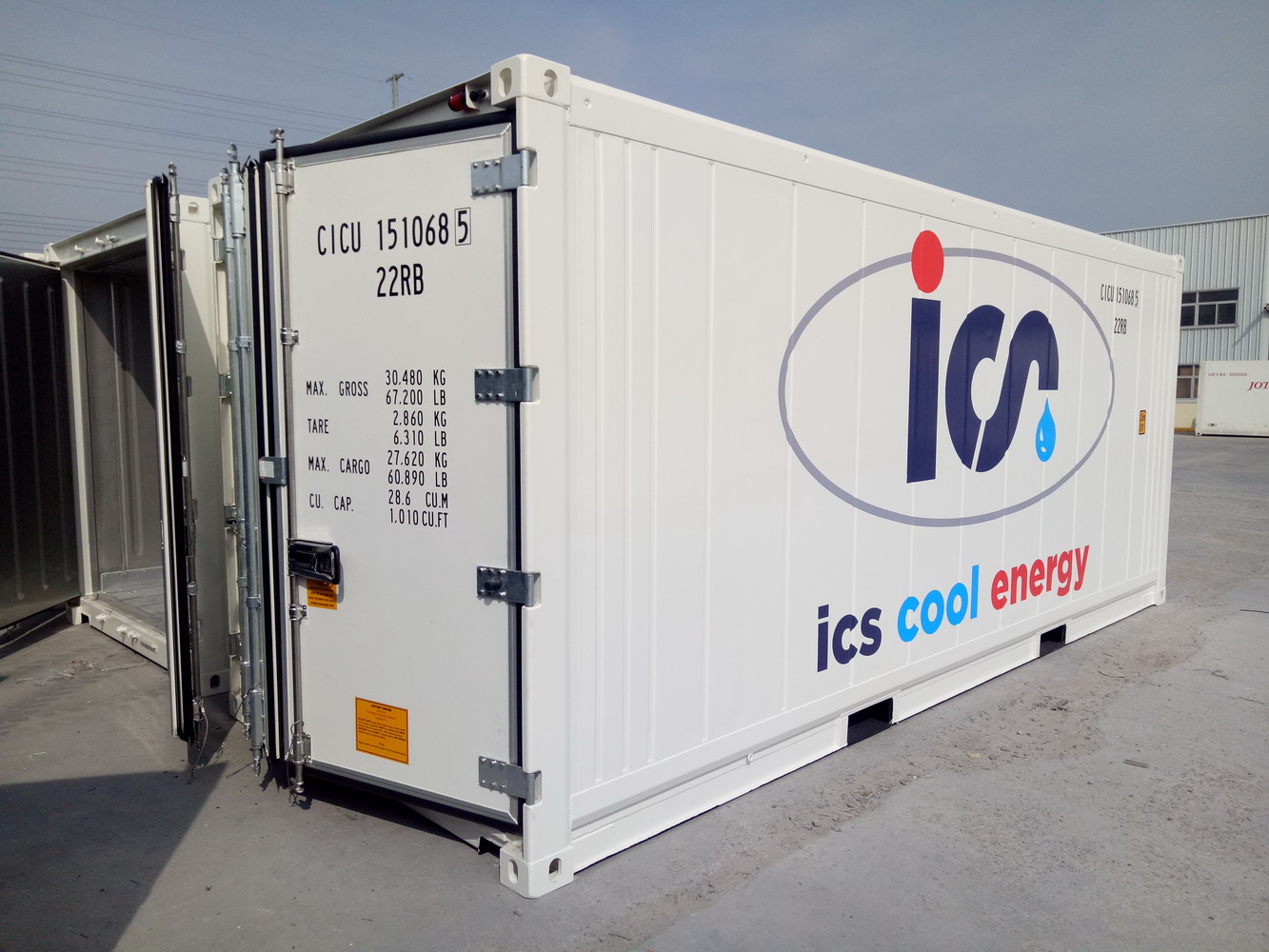
Choose containerised if you need capacity quickly, your site has limited space for construction, or your requirement is temporary — for example, a product launch, a clinical programme, or a planned shutdown period.
Choose modular if you need a permanent or semi-permanent solution with configurable capacity across one or more temperature bands, and you want the flexibility to scale over time.
Short-Term Hire vs Permanent Installation
Short-term hire works well for emergency backup cold storage, overflow during peak demand, clinical trial support, or bridging a gap while a permanent solution is procured or built.
Permanent installation is the right choice when cold storage is a core, ongoing operational requirement and you want a fully integrated, site-specific solution.
Capacity considerations
Think beyond your current average demand. Consider peak load scenarios, future portfolio growth, and what happens if your primary system goes offline. Sizing for average demand is a common mistake — the shortfall only becomes visible when you can least afford it.
Let us review your requirements together and help you identify the right capacity for your operation.
Not sure which option fits your situation? Speak to one of our temperature control specialists. We will ask the right questions and give you a straightforward recommendation.
FLEXIBLE SUBSCRIPTION PLANS
Our Flex membership allows you to scale quickly and have the latest cooling technology without capital investment for a fixed monthly fee.
Frequently asked questions
It depends on the product. Most vaccines and many biologics require refrigerated storage between 2°C and 8°C. Some products require frozen storage at around -20°C, while advanced therapies and certain biologics may need ultra-low storage at -40°C or below. The required temperature range is defined by the product’s marketing authorisation or clinical trial protocol, and must be maintained consistently throughout storage and distribution.
GDP stands for Good Distribution Practice. It is a regulatory framework – enforced by the MHRA in the UK and equivalent authorities across the EU – that sets out the standards for storing and distributing medicinal products. For cold storage, GDP requires continuous temperature monitoring, calibrated equipment, data logging, alarm systems, temperature mapping, and complete audit trails. Non-compliance can result in regulatory action and puts product integrity at risk.
Yes. Temporary pharmaceutical cold storage is a practical solution for a range of situations – including product launches, clinical trial programmes, planned maintenance shutdowns, emergency backup, and capacity overflow. ICS Cool Energy offers short-term hire options that can be deployed quickly across the UK. Temporary cold storage units are designed to meet the same temperature control and monitoring standards as permanent installations.
A cold storage failure can trigger a chain of consequences: product quarantine, temperature excursion investigation, stability assessment, potential lot write-off, deviation reporting, and CAPA. The financial and operational cost can be significant – particularly for high-value biologics or clinical materials. Reducing that risk requires redundant refrigeration, backup power, 24/7 monitoring, and a clear escalation process. These are not optional extras in a regulated environment.
Deployment timelines depend on the scale and complexity of the requirement. Our 5 UK depots allow us to respond quickly to urgent requests. If you have a time-sensitive situation – for example, an equipment failure or an imminent product launch – contact us directly and we will discuss what is achievable for your specific circumstances.
Temperature mapping and validation documentation are important requirements for GDP-compliant pharmaceutical storage. We recommend discussing your specific validation requirements with our team at the outset of any project so we can support your qualification process appropriately. Please get in touch and we can talk through what you need.