



Temperature Control Solutions for the Data Centre Industry
Reliable, high-performance temperature control for data centres – designed to prevent overheating, protect critical infrastructure, and maintain uptime when it matters most.



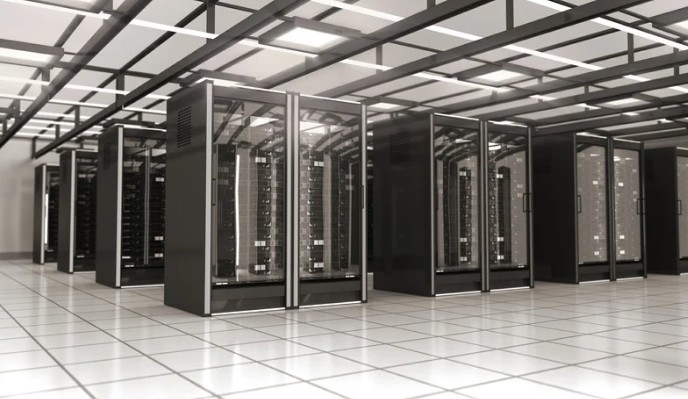
Data centre cooling applications
In modern data centre environments, thermal stability is directly linked to uptime, performance, and service reliability. As data centre demands grow and cooling demands increase, infrastructure becomes more complex , and the need for scalable and precise data centre cooling solutions becomes critical.
Precision cooling systems are required across a wide range of environments where heat loads, redundancy requirements, and operational demands vary significantly.
- Hyperscale data centres — managing high-density compute loads at scale
- Server rooms — from single-room deployments to multi-rack environments
- Edge and distributed sites — where local thermal control is critical but resources are limited
- Colocation facilities — where thermal performance is part of your SLA commitment
The difference between a stable, well-cooled environment and an overheating one is often the difference between normal operations and an unplanned outage. Getting this right starts with understanding your load, your environment, and the right solution for both.
Data centre temperature requirements
Stable temperatures – Fluctuations—even within the acceptable range—place thermal stress on components. Consistent temperatures extend hardware life and reduce the risk of unexpected failures.
Humidity control – Too low and you risk electrostatic discharge. Too high and condensation becomes a threat. Relative humidity is typically managed between 40% and 60% in well-designed environments.
Airflow management – Even with sufficient cooling capacity, poor airflow creates hot spots. Cold aisle/hot aisle containment, blanking panels, and raised floor design all play a role in getting conditioned air where it is needed.
What happens when temperatures go wrong
Overheating triggers thermal throttling—processors reduce performance to protect themselves. Sustained high temperatures accelerate component degradation and shorten equipment lifespan. In serious cases, thermal events lead to hardware failure, unplanned downtime, and the kind of incident that is very difficult to explain after the fact.
Industry standards and best practices for data centre cooling
Effective data centre cooling is not just about having equipment in place. It is about designing a system that performs reliably under real operating conditions—including peak loads, partial failures, and future growth.
Key considerations for resilient cooling design
- Redundancy levels (N+1, 2N) — Cooling systems should be designed so that the failure of a single unit does not compromise the environment. N+1 provides one additional unit of capacity; 2N provides full duplication for the most critical environments.
- Continuous monitoring — Real-time visibility into temperatures, humidity, and airflow lets your team identify issues before they become incidents.
- Backup cooling systems — Planned maintenance, unexpected failures, and emergency scenarios all require a contingency. Backup and temporary cooling options are part of a complete resilience strategy.
- Energy efficiency — Cooling is often one of the largest non-IT energy loads in a data centre. Efficient systems reduce operating costs and support your PUE and sustainability targets.
ICS Cool Energy solutions are designed to support resilient, high-availability environments. Whether you’re reviewing your existing setup or planning a new deployment, we can help you assess where your current approach stands against these principles and identify practical steps forward.
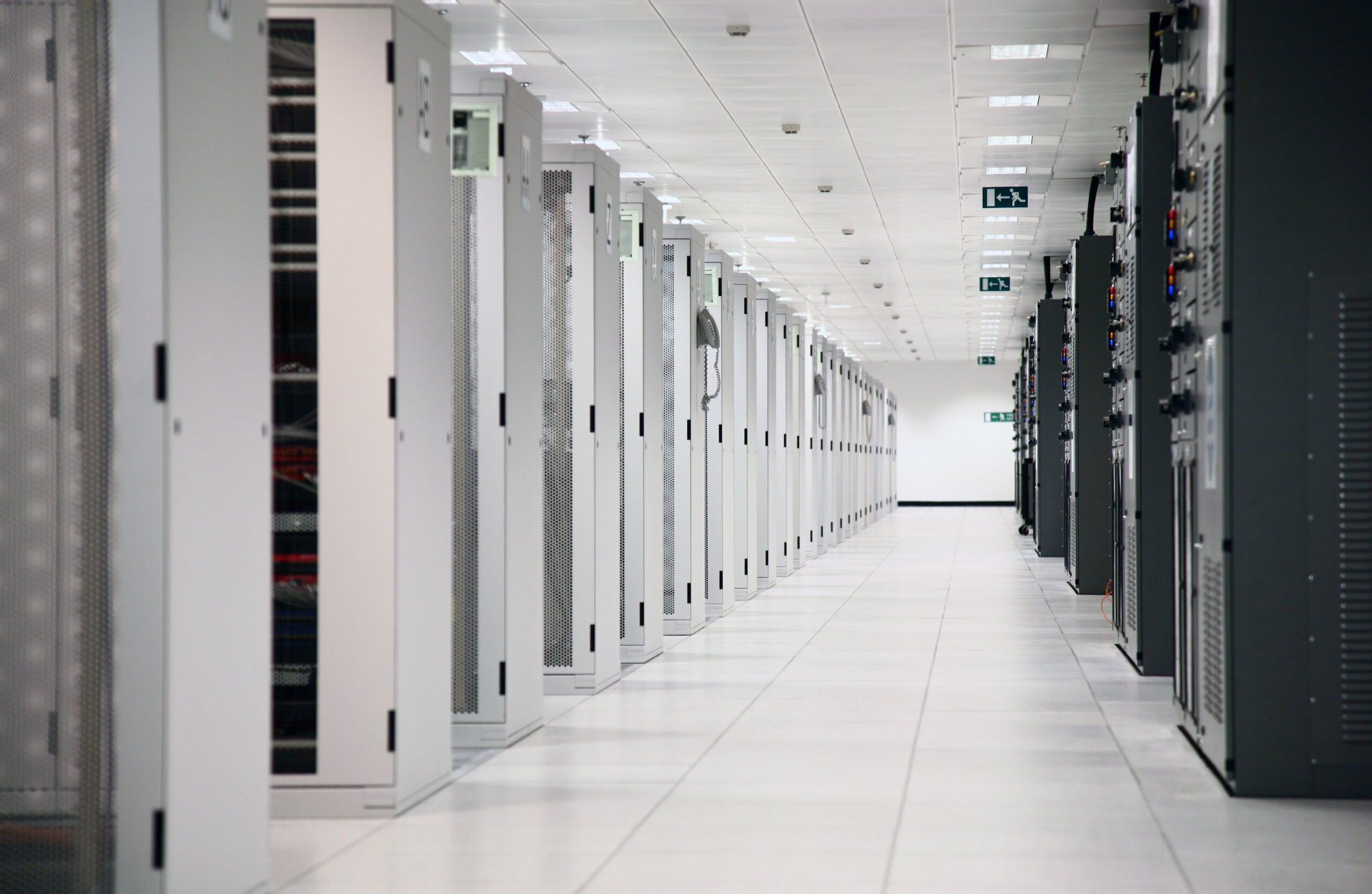
Common cooling challenges in data centres that ICS can help with
If you manage a data centre or critical IT environment, you will recognise at least some of these. They are the operational realities that keep facilities teams up at night—and the problems we help solve every day.

Key features and benefits of our temperature control solutions for data centres
Here is what you can expect when you work with ICS Cool Energy on your data centre cooling requirements.
- Precise environmental control – Solutions calibrated to maintain stable temperatures within the ranges your IT equipment requires—not approximate, not average.
- 24/7 monitoring and alarms – Round-the-clock visibility into your thermal environment, with alarm thresholds and rapid response when conditions change.
- Scalable, modular capacity – Add cooling capacity as your IT load grows. No overbuilding. No stranded investment. Right-sized from the start.
- Backup and redundancy options – Permanent N+1 configurations or standby capacity available at short notice—so a single failure does not become a facility-wide event.
- Fast nationwide deployment – Five depots across the UK. Emergency response available 24/7, 365 days a year. We can get equipment to your site quickly when it matters.
- Expert consultation throughout– From initial assessment through to commissioning and ongoing support, our team works with you at every stage. You have a clear point of contact and a team that understands critical environments
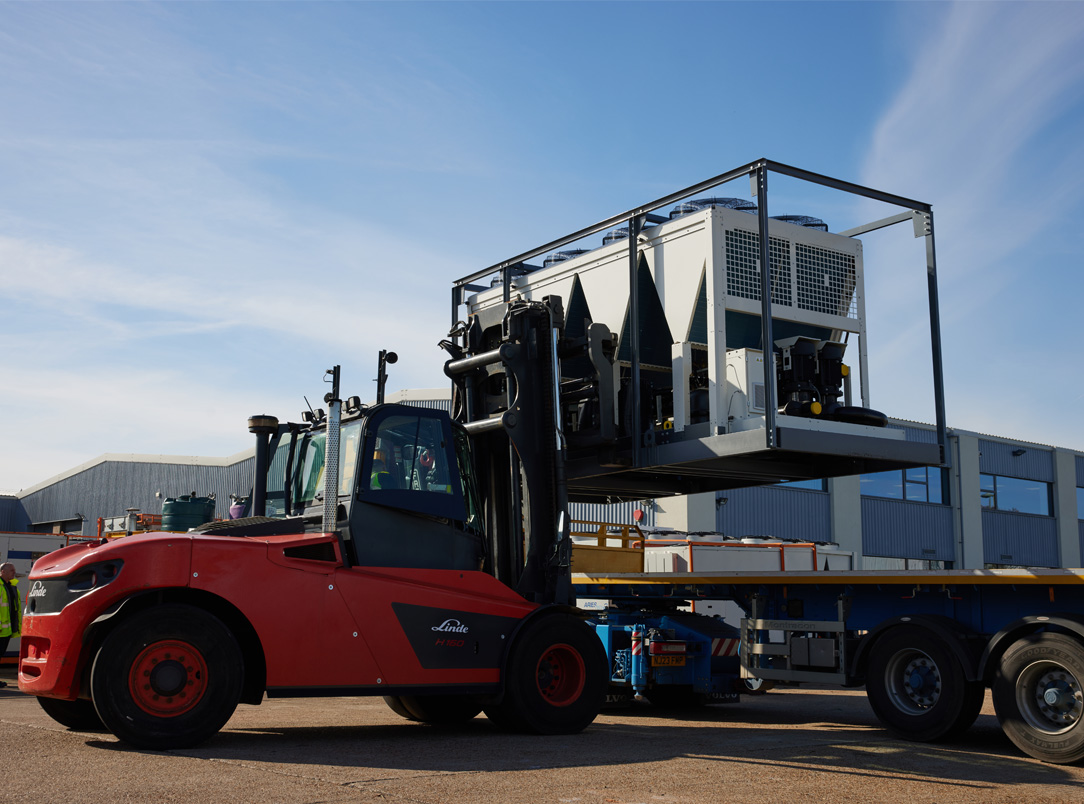



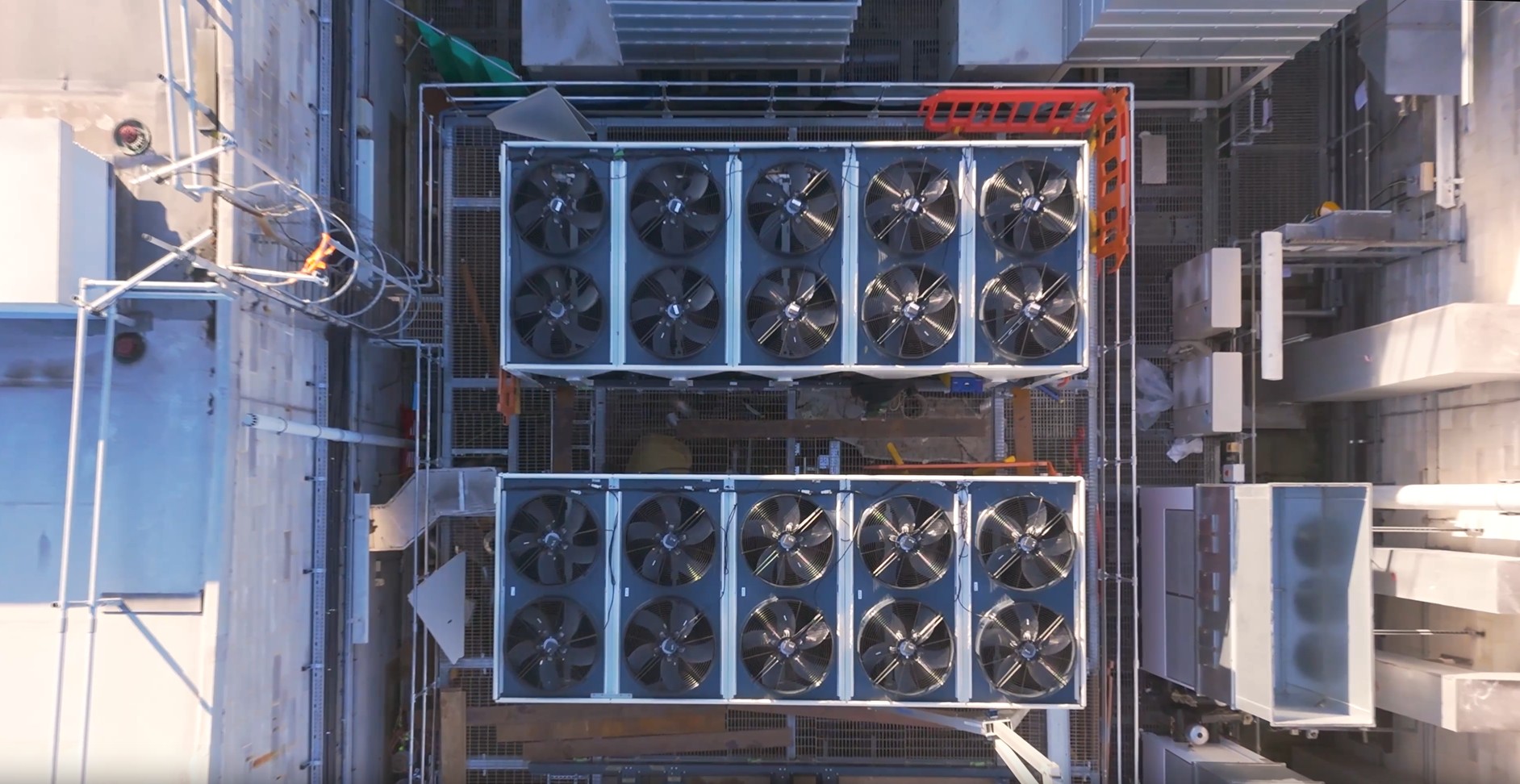
Choosing the Right Data Centre Cooling Solution
There is no single answer that works for every facility. The right cooling approach depends on your load profile, your environment, your growth plans, and how much risk you can tolerate. Here are the key considerations.
Temporary vs Permanent Solutions
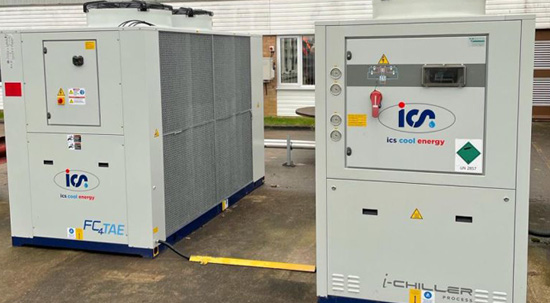
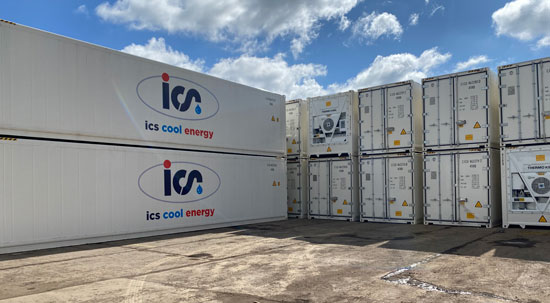
A temporary data centre chiller solution is the right choice when you need fast deployment, short-term capacity, or a bridge while a permanent solution is installed. Permanent solutions are appropriate when your load is stable, your requirements are well-defined, and you are ready to commit to a fixed infrastructure investment. Some organisations use both—permanent primary cooling with a temporary or modular backup layer for resilience.
Matching Cooling Capacity to Your Load
Oversizing wastes energy and capital. Under sizing creates risk. The starting point is an accurate picture of your current IT load, your growth forecast, and the thermal characteristics of your space. We can help you work through this assessment.
Air, liquid, or hybrid cooling
For most conventional server room and colocation environments, precision air cooling remains the practical standard. As rack densities rise—particularly with AI and HPC workloads—liquid-assisted and hybrid approaches become increasingly relevant. The right architecture depends on your density, your risk tolerance, and where your workloads are heading.
If you are unsure which approach is right for your facility, speak to one of our specialists. We will review your requirements and give you a straightforward recommendation.
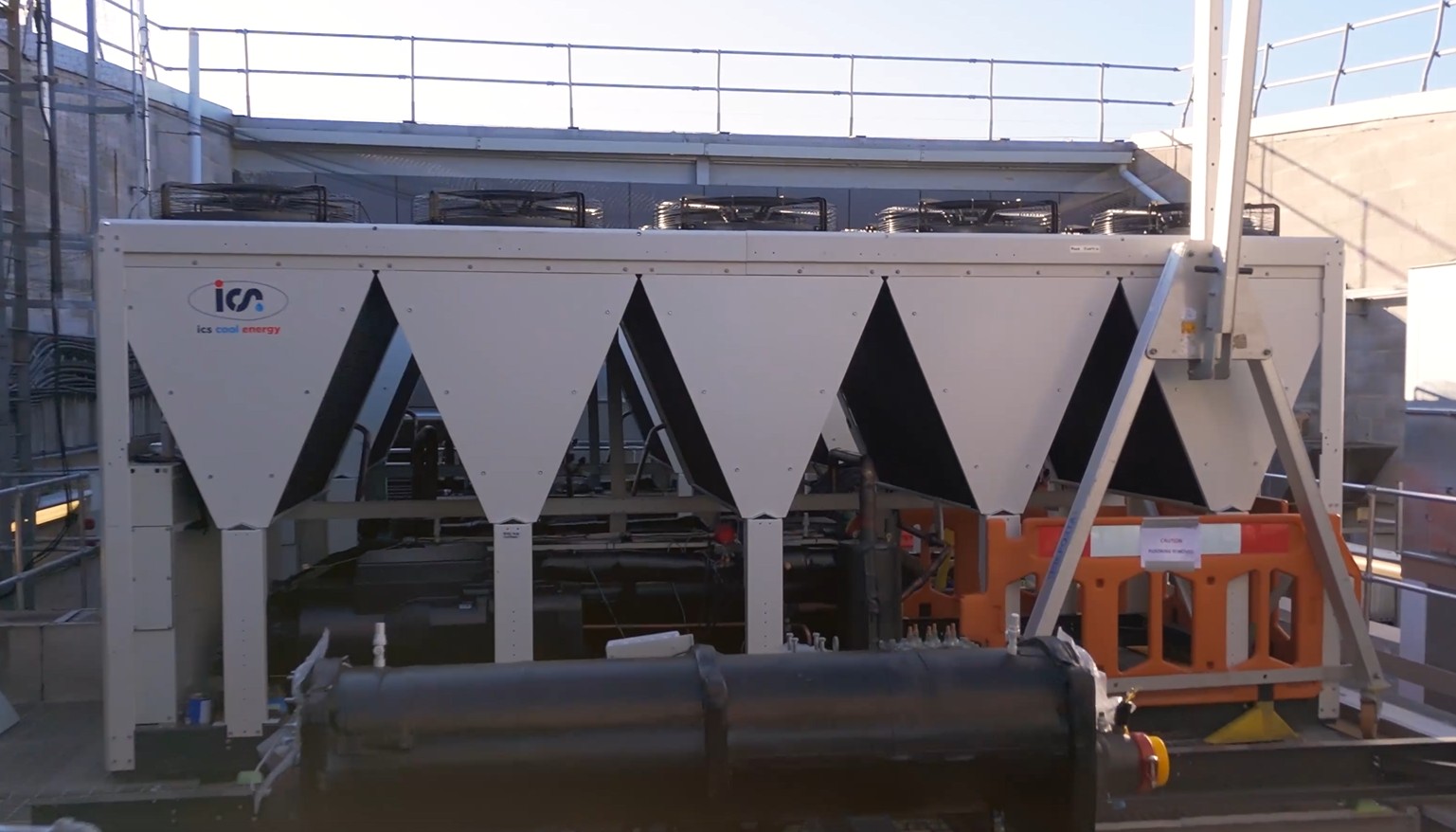
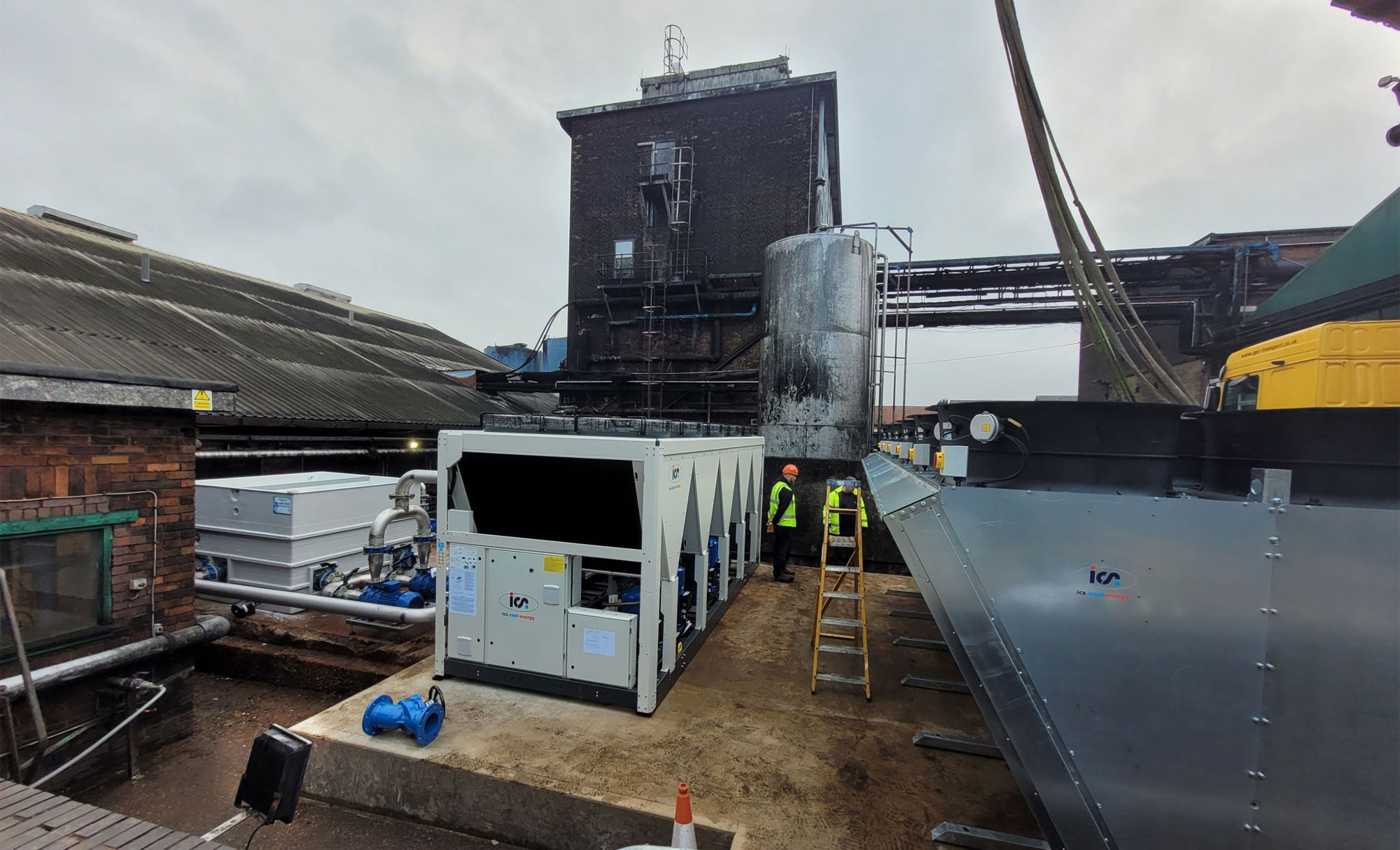
FROM CONCEPT TO COMMISSIONING
We can completely manage the whole project for you from concept to commissioning and ongoing maintenance.
The process will start with a detailed on-site process consultation to fully understand your production and temperature needs, which will enable us to design and specify the most effective temperature control solutions.
Our equipment is cleaned and maintained to meet the strictest food industry hygiene standards – ensuring you have water that really is potable. All our products are supplied as a complete package, with hygienic hoses – all with the aim of minimising contamination risks.
FLEXIBLE SUBSCRIPTION PLANS
Our Flex membership allows you to scale quickly and have the latest cooling technology without capital investment for a fixed monthly fee.
Frequently asked questions
The commonly recommended operating range is between 21°C and 24°C (70–75°F), which aligns with ASHRAE guidance and is widely used as a practical benchmark. Some environments operate at slightly higher inlet temperatures with appropriate equipment and airflow management. The key is stability—consistent temperatures cause less thermal stress on hardware than fluctuating ones, even within an acceptable range.
In the short term, processors throttle their performance to protect themselves from heat damage—so you will see degraded application performance before you see hardware failure. Sustained high temperatures accelerate component wear and shorten equipment lifespan. In serious cases, thermal events can cause hardware failure, trigger automatic shutdowns, and result in unplanned downtime. The consequences for SLA compliance and business continuity can be significant.
From initial call to delivery, we can typically have equipment with you within a few hours. Response times depend on your location and the equipment required, but our network of five UK depots is designed to support rapid deployment. We operate a 24/7, 365-day emergency service. Contact us directly and we will confirm availability and delivery time.
Yes. We have experience deploying and commissioning cooling solutions in occupied, live facilities. We plan carefully around your operational constraints, phase work to avoid disruption, and make sure your team knows exactly what to expect at each stage.
They do. Our eMission Critical solutions are specifically designed to help you reduce cooling energy consumption, improve PUE, and lower your carbon footprint. We can review your current setup and identify where efficiency improvements are practical without compromising resilience.
That is exactly the kind of conversation we are here to have. Tell us about your environment, your current challenges, and your growth plans, and we will work through the options with you. There is no obligation—just a straightforward discussion about what makes sense for your situation.