


Published: November 9, 2026
Power Outages, Heatwaves and More: Bullet-proofing Your Cold Storage with Off-Grid Resilience
When the equipment or power fails, the clock starts ticking. For operations managing temperature-sensitive goods, threats such as severe weather events, aging infrastructure, and unexpected power outages present a serious risk of product loss.
Product integrity, compliance, production continuity and customer service can all be compromised in a matter of hours if controlled conditions are lost. When permanent infrastructure goes offline or struggles to cope with peak seasonal demand, true operational resilience demands contingency planning and secure, off-grid backup power.
More than just overflow space
Though often viewed as simple overflow space, temporary cold stores act as engineered resilience assets when disaster strikes or even during planned maintenance. They are deployed to solve specific challenges: protecting high-value products during equipment failure, supporting facility upgrades, creating additional temporary capacity, or even providing separate, long-term storage environments.
For deep-frozen and ultra-low-temperature applications in particular, dropping a temporary cold store on site is much faster and more practical than attempting to replicate permanent infrastructure with a complex temporary chiller setup. The objective is always clear: to preserve product integrity, maintain strict temperature controls, and reduce the risk of excursions, deviations, and batch loss.
Off-grid power resilience
A backup cold store is only as reliable as its power supply. If a severe storm or sudden grid failure takes down your site’s main power, your backup cooling will fail too, unless it is truly autonomous.
Depending on application criticality, temporary cold stores can be supported by independent power. Generator sets (gensets), solar power solutions, and battery energy storage systems (BESS) step in to keep operations running during wider electrical disruptions.
ICS Cool Energy recently put this off-grid capability to the test. In a rigorous field trial, an ultra-insulated 20-foot refrigerated container was paired with an integrated solar frame featuring photovoltaic (PV) panels, a dedicated DC transformer, and a compact 35 kWh backup battery from the ICS hire fleet.
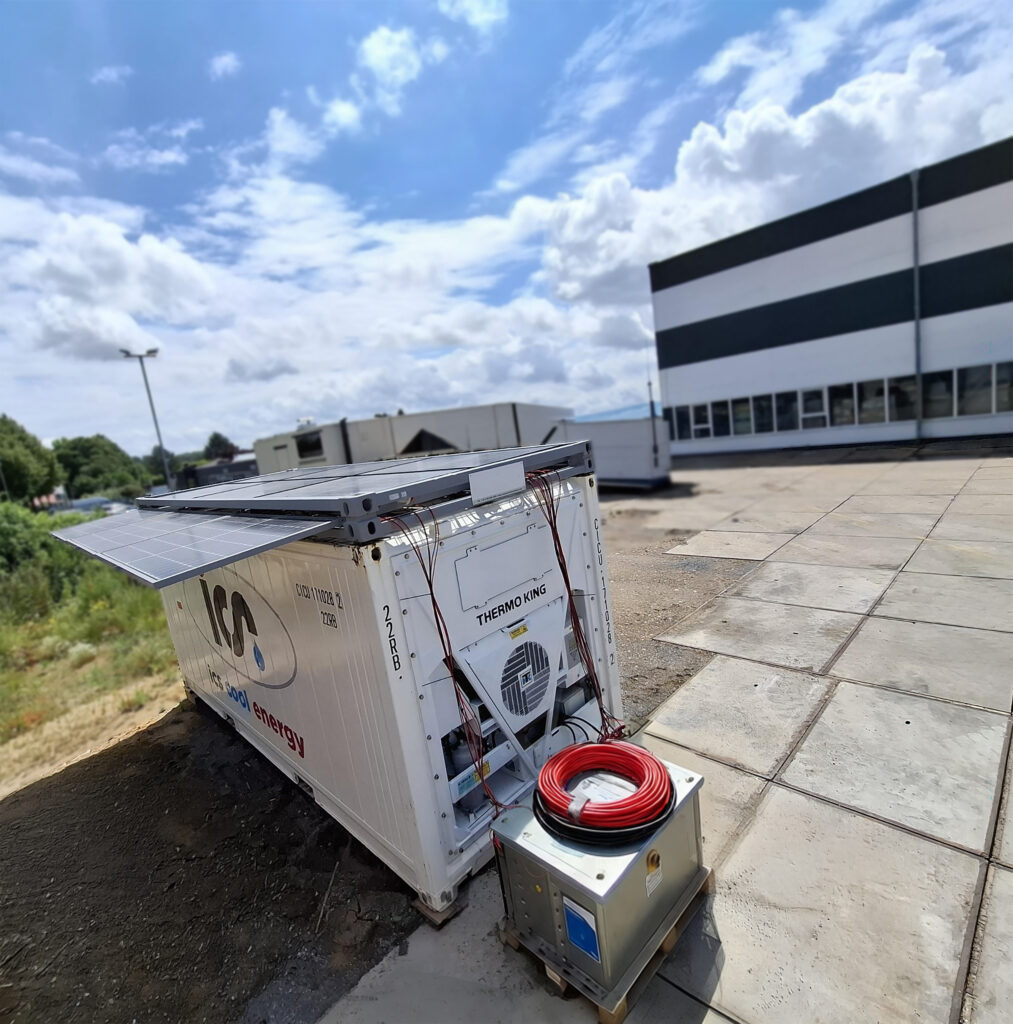
The results were impressive:
- Extreme Conditions: The cold store operated continuously at a -18°C setpoint, combating ambient temperatures between +20°C and +30°C.
- Weather-Proof Solar: Even in rainy, low-light conditions, diffuse daylight provided useful energy (approximately 0.5 kW), scaling up to 4.5 kW in direct sunlight.
- Full Autonomy: The 35 kWh battery pack remained almost fully charged throughout the trial. The setup ran completely autonomously for over a week, maintaining precise temperature control without relying on the grid.
These off-grid units are available for short- or long-term rental, responding to a growing demand for low-emission temporary cold storage, particularly in remote locations.
Furthermore, ICS Cool Energy offers standalone solar frames that can be scaled and fitted to existing cold storage units to cut grid demand and significantly lower operating costs.
Why service response is part of the solution
Technology alone cannot save a perishable batch. A temporary cold store’s real-world performance depends heavily on the provider’s service model.
For high-value goods, the speed and competence of the service response can materially affect the outcome of a fault event. The relevant question is not merely whether a provider can supply the unit, but whether they can sustain and support it under fault conditions with the urgency that your operations require. The right provider backs up their equipment with nearby service teams, standby technicians, and the ability to intervene rapidly.
Plan before the panic
Resilience starts long before a crisis. Preparing your cooling systems early offers massive operational advantages.
Early contingency planning provides essential flexibility. Mapping out your emergency needs in advance allows you to prepare the necessary infrastructure today, such as electrical connections, water supplies, and designated placement areas. Taking this proactive step ensures that if a sudden power outage or equipment failure strikes, your temporary, off-grid equipment can be deployed quickly and safely.
In a world of unpredictable threats, you cannot control the grid or the weather. But with the right contingency plan and off-grid power solutions, you can completely control your response.
Related Articles
November 3, 2026
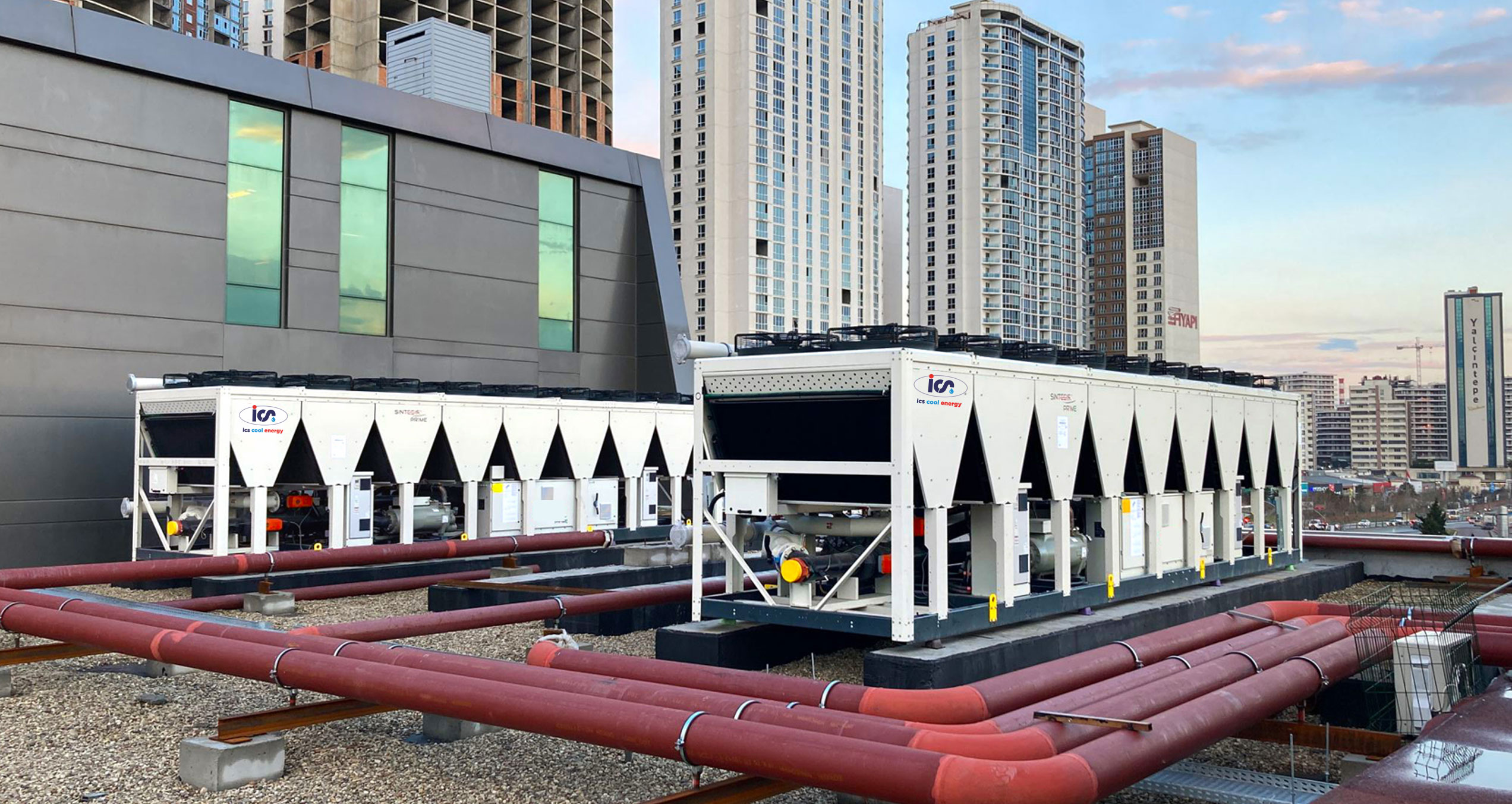
ICS Cool Energy Strengthens Data Centre Cooling Resilience
Temporary cooling, heating, and load bank solutions designed to maintain operational continuity during system upgrades, commissioning, and maintenance. Part of Trane Technologies, ICS Cool Energy...
Read More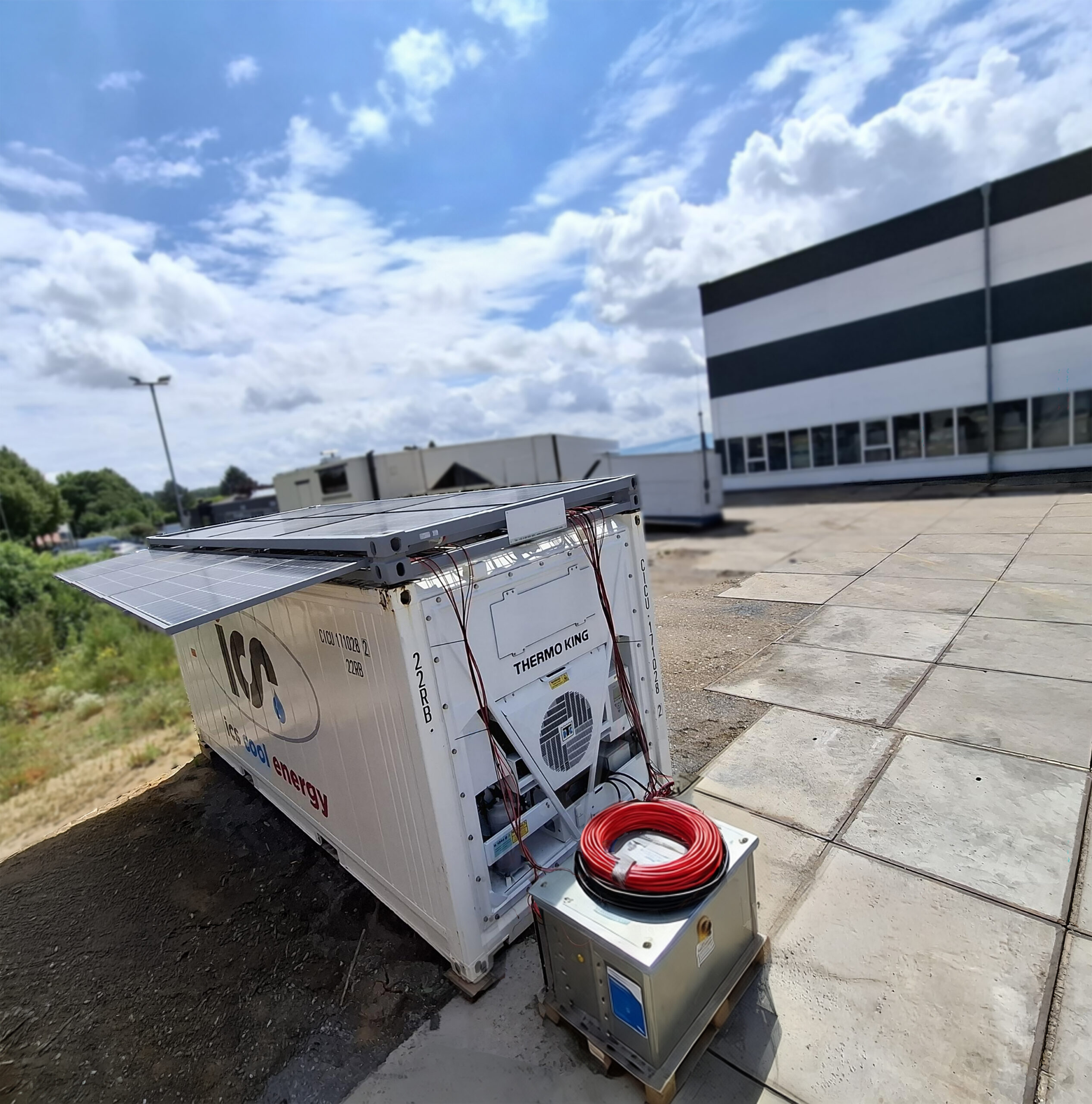
August 5, 2026
ICS Cool Energy runs 7-day trial for solar-powered refrigerated container, delivering 24/7 operation at -18°C setpoint
Field test demonstrated ICS Cool Energy’s solar-powered cold store container can maintain precise temperature for frozen applications for over a week, even under adverse conditions....
Read More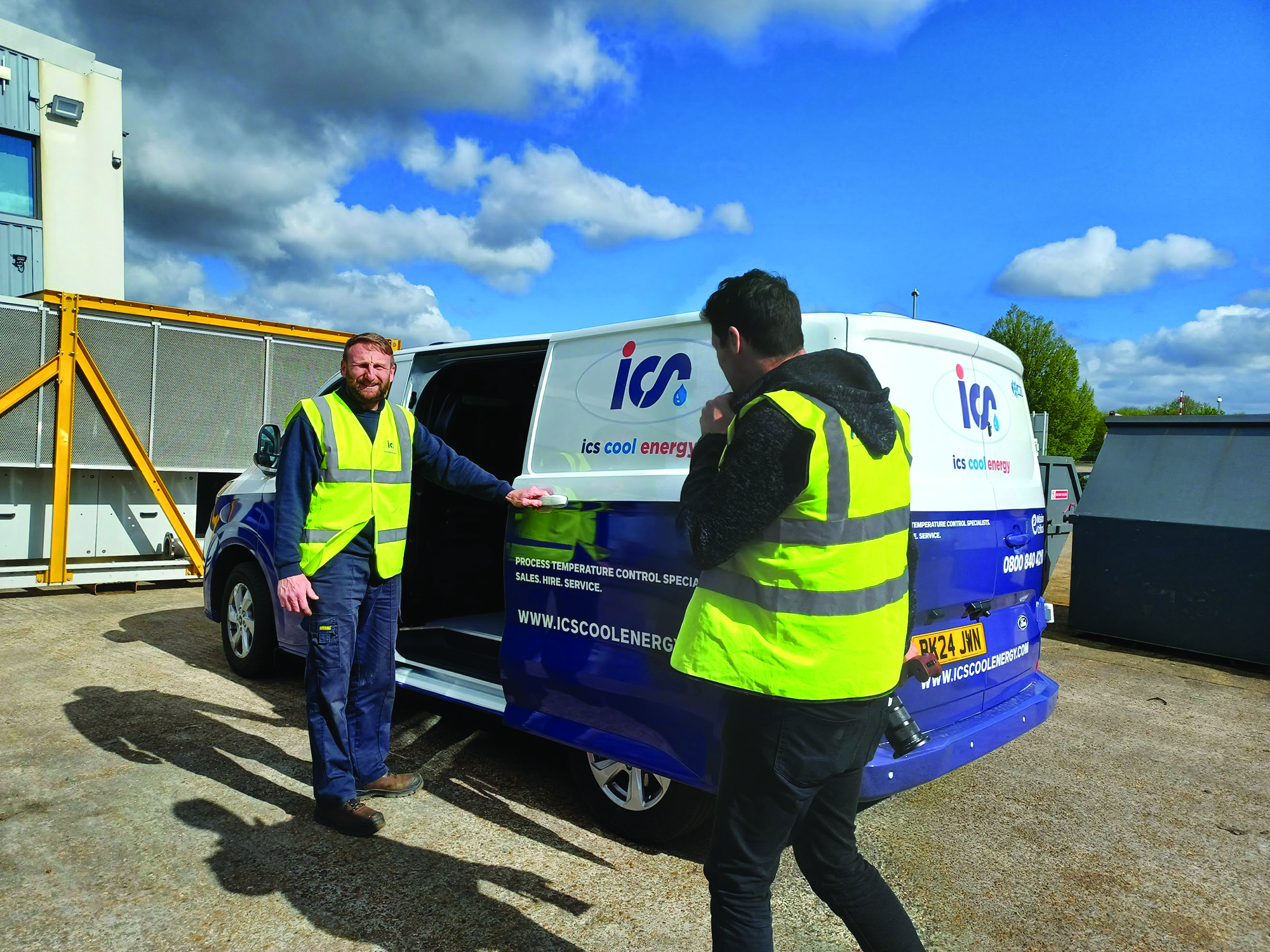
May 13, 2026
ICS Cool Energy Expands its Service Plan Offering to Empower Customers with Risk-Aligned Service Choices
The remodelled service plans simplify risk management and help match service cover, cost certainty and operational responsibility to customers’ business needs ICS Cool Energy an...
Read More