




10 TOP TIPS TO KEEP YOUR TEMPERATURE CONTROL EQUIPMENT OPERATIONAL & EFFICIENT THIS WINTER
It’s coming to that time of the year again. Yes, it’s Winter – the time when we start to worry if our equipment will work efficiently enough to last us throughout the season. Not to fear! Our experts here at ICS Cool Energy have complied a winter maintenance list of 10 top tips to keep your temperature control equipment up and running.
Tip 1
It is good to take your equipment’s glycol dosage into consideration. Glycol, or anti-freeze is important as it will prevent the fluid inside your system freezing as it handles temperatures below zero. A specific (inhibited) type of glycol is needed in your system; it is manufactured specially to not corrode your pipework. Adding just glycol to a system isn’t enough when it comes to treating your water. Glycol is important, but it is equally important to ensure the fluid is checked regularly. This includes ensuring any imbalance of chemicals, such as inhibitors and biocides, are corrected.
Tip 2
If you do have glycol, make sure you have the correct concentration for the temperature of the system. Too much Glycol can lead to the fluid in your unit becoming thicker than the internal pump can handle. This can damage your equipment and lower its lifecycle. Concentrations over a certain threshold can even cause the freezing temperature of the liquid to rise. This can reverse the benefit of using Glycol in the first place.

Tip 3
The minimum level of glycol should always be 25%, below this it is a food source for bacteria. This will cause damage to the internal pipework of your system if bacteria were to build up.
Tip 4
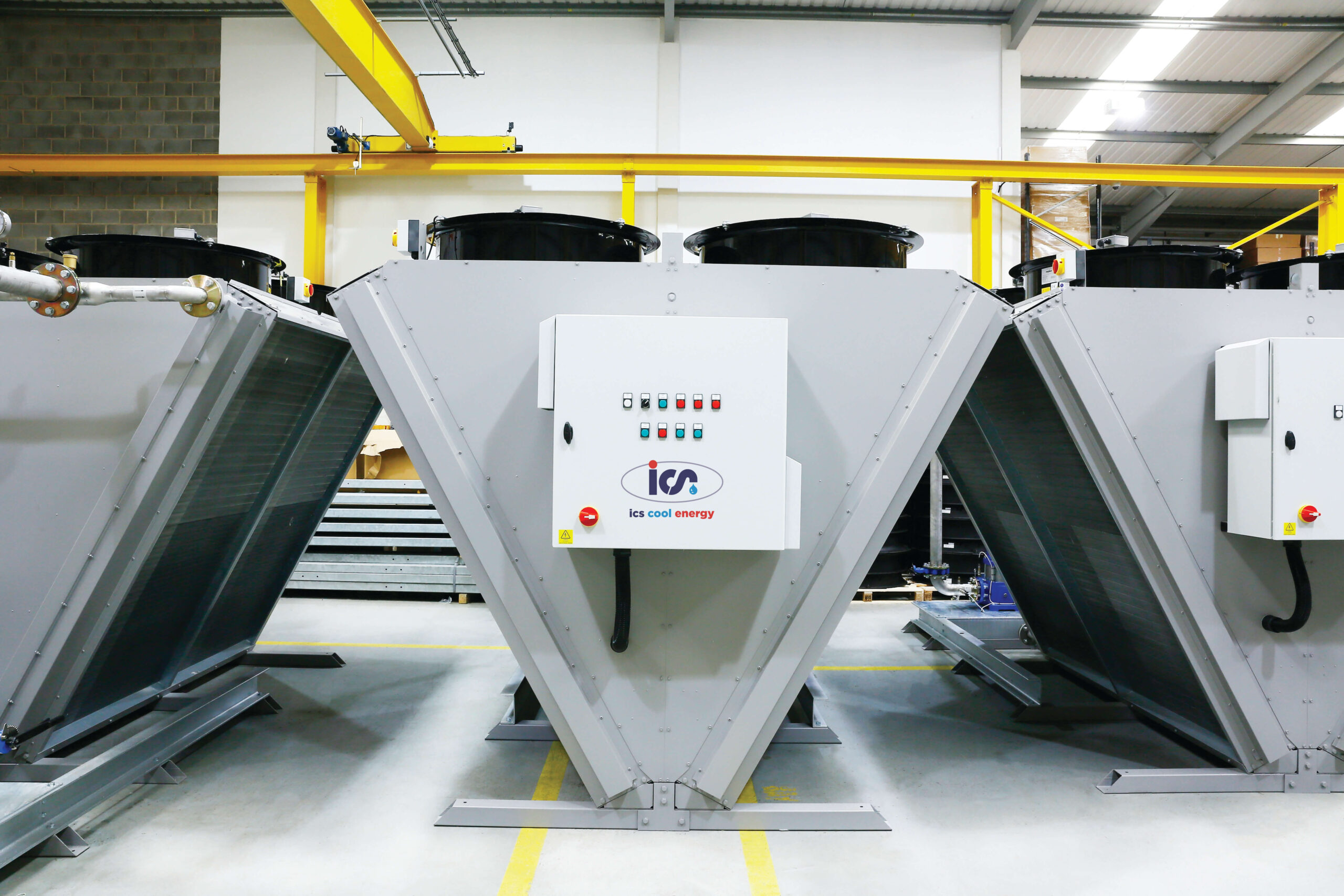
If you have a dry air cooler or adiabatic cooler, ensure the glycol level is at the correct concentration for the lowest expected ambient temperature.
Tip 5
Switch off and drain down the adiabatic system to prevent frozen pipe work.

Tip 6
Ensure your equipment is operating at its best by having a proactive service in the Autumn. Being proactive ahead of time will save you a lot of downtime.
Tip 7
If your equipment isn’t being used over winter, and you have no glycol/antifreeze in the system ensure that the system pumps are switched on to circulate the fluid when ambient temperatures drop below 3’c. If this is for an extended period of time the pump will heat the fluid and you may need to switch the chiller back on to make sure the fluid temperatures are controlled.

Tip 8
If your equipment is switched off for the winter ensure that you run your pump(s) at least once a month to ensures they don’t seize – much like an unused car!
Tip 9
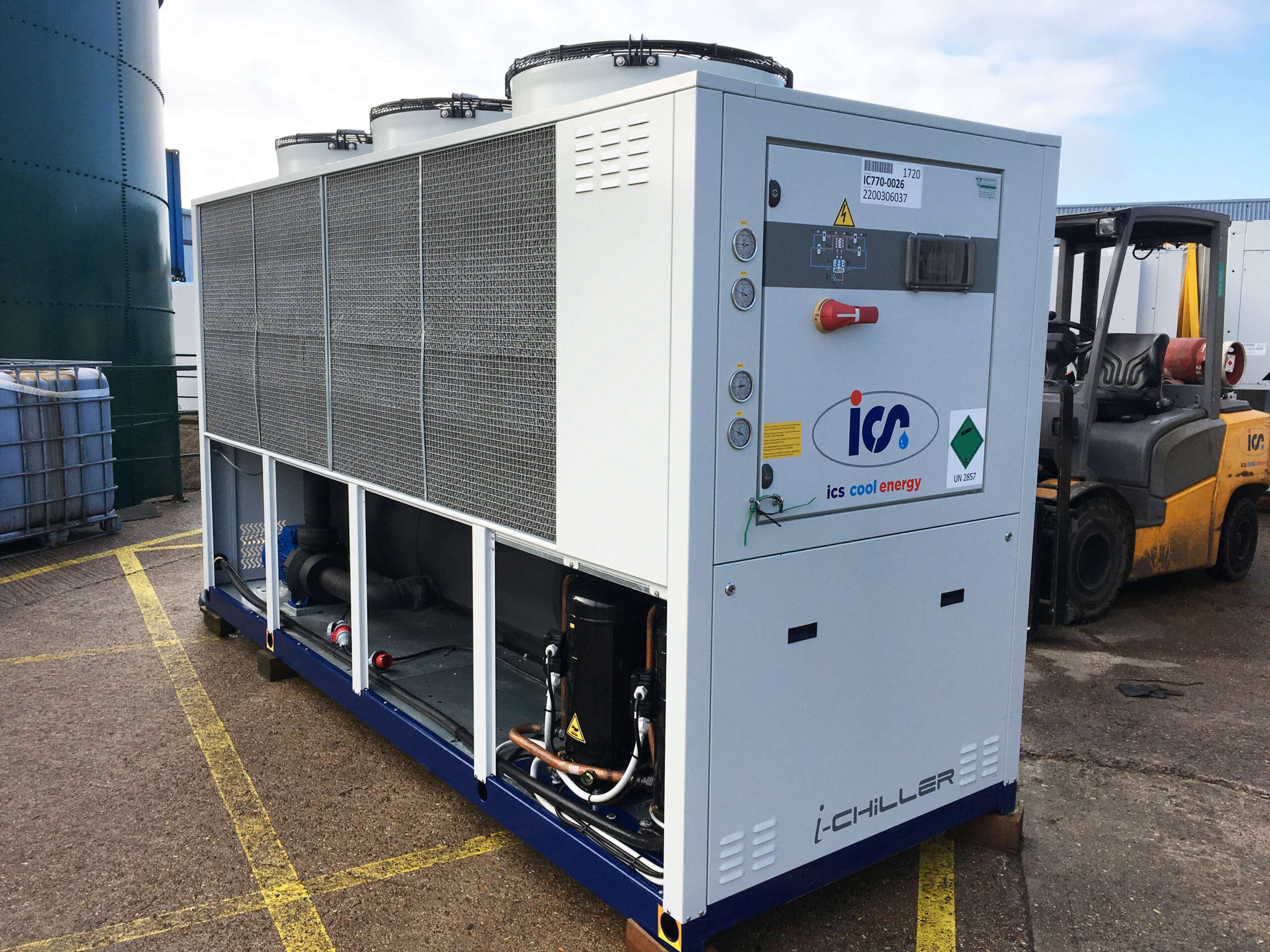
You can recover up to 70% of the power used to operate your cooling equipment through heat recovery, this can be used to pre-heat water up to 70 degrees or to heat office space.

Tip 10
Both large and small companies are under pressure to reduce energy consumption and improve the operating efficiency of their equipment these days. Therefore, fitting a variable speed frequency drive to your pump is a good step to make. This will reduce your carbon foot print as well as it extends its life and saves money. This results in a payback on initial investment in as little as 6 months.

Prevention will always be better than cure when it comes to winter maintenance. Please call our Service Team today to find out more on 0800 774 7406.

Related Articles

May 13, 2026
ICS Cool Energy Expands its Service Plan Offering to Empower Customers with Risk-Aligned Service Choices
The remodelled service plans simplify risk management and help match service cover, cost certainty and operational responsibility to customers’ business needs ICS Cool Energy an...
Read More
March 11, 2026
TCUs Don’t Fail. Water Kills Them
Why water treatment is the most overlooked service in plastics moulding cooling and temperature control — and what it costs when it’s ignored Here is...
Read More
November 26, 2025
Why Flexible Financing Options Matter More Than Ever
Navigating Investment in UK Manufacturing As the UK government prepares to deliver the next budget, uncertainty is the prevailing mood, felt on factory floors and...
Read More