



Published: June 26, 2026
Cold Storage Hire Vs Buying: Making The Right Decision For Your Business
The choice between hiring a cold storage unit and buying a cold storage room shapes your cash flow, your operational flexibility, and how much hassle you’ll deal with when something breaks down at 2am. This guide walks through when each option makes sense, the real costs involved, and how to figure out which approach fits your business.
Understanding cold storage hire vs buying
Hiring a cold room means renting temperature-controlled storage on a monthly basis, while buying means purchasing the equipment outright as a business asset. The core difference lies in how you pay — spreading costs over time versus investing upfront.
Hiring offers lower initial costs, scalability, and supplier-covered maintenance, though monthly payments continue indefinitely and you never own the equipment. Buying delivers long-term savings, full customisation control, and asset ownership, but requires significant upfront capital and responsibility for all maintenance.
Which is cheaper depends largely on duration. Renting suits short-term or seasonal needs, while buying becomes more economical for permanent, daily use — typically breaking even over several years of continuous operation.
When hiring a cold storage unit makes sense for your business
Hiring works well when cold storage needs are temporary, seasonal, or uncertain. Whether managing a summer demand spike, running a one-off event, or testing additional capacity, rental provides professional cold storage without long-term commitment.
It’s also valuable as backup cover. When an existing refrigerated container breaks down or undergoes scheduled maintenance, a hired unit keeps operations running and products safe — flexibility that owned equipment alone cannot provide.
For early-stage businesses or those facing unpredictable demand, hiring removes significant financial risk. Rather than committing tens of thousands of pounds to a forecast that may not materialise, you pay only for what you need, when you need it.
Lower upfront investment and flexible terms
The most obvious advantage of hiring is avoiding a large capital outlay. Instead of committing a significant sum upfront, you pay a predictable monthly amount that’s easier to budget for and doesn’t tie up cash you could use elsewhere in the business.
- No capital expenditure: Hiring keeps your cash flow intact, which matters particularly for growing businesses or those with tight margins.
- Predictable monthly costs: You know exactly what you’re paying each month, making financial planning more straightforward.
- Scalability: Most hire agreements let you adjust capacity as your situation changes—adding units during busy periods and returning them when demand drops.
This flexibility extends beyond just the financial side. If your business is growing quickly, or if you’re not yet certain what storage capacity you’ll actually require long-term, hiring gives you room to adapt without being stuck with equipment that no longer fits your operation.
Maintenance and support included
When you hire a cold room, the provider typically handles servicing, repairs, and emergency callouts as part of the agreement. This removes the burden of managing specialist refrigeration equipment internally—and means you’re not searching for an engineer at midnight when something goes wrong.
For businesses without a dedicated facilities team, this support can be genuinely valuable. You get access to expertise and response times that would be expensive and difficult to build in-house. Temperature-critical applications leave little room for error, so having professional support on call provides a layer of protection against costly product losses.
The practical reality is that refrigeration equipment does occasionally fail, and when it does, the speed of response matters enormously. With a hire arrangement, that’s the provider’s problem to solve, not yours.
When rental costs add up
Hiring isn’t always the most economical path. If you’re running cold storage continuously for several years, the cumulative rental fees will eventually exceed what you would have paid to purchase equivalent equipment outright.
The exact break-even point varies depending on the size, specification, and rental rate of the unit. As a rough guide, if you’re confident you’ll require the same cold storage capacity for five years or more, it’s worth calculating whether purchasing would deliver better value over that timeframe.
This doesn’t mean hiring is a poor choice for long-term use—sometimes the included maintenance, flexibility, and reduced risk still make it worthwhile. But the financial comparison changes significantly once you move beyond short-term or seasonal requirements.
When buying a cold storage unit makes sense for your business
Purchasing makes most sense for established businesses with stable, predictable cold storage requirements and the capital available to invest. If you know you’ll require the same capacity year-round for the foreseeable future, ownership typically delivers better value over time.
Buying also suits businesses that require highly customised setups. When you own the equipment, you can specify exact dimensions, temperature ranges, shelving configurations, and access arrangements—tailoring the cold room precisely to your operational workflow rather than working with whatever’s available for hire.
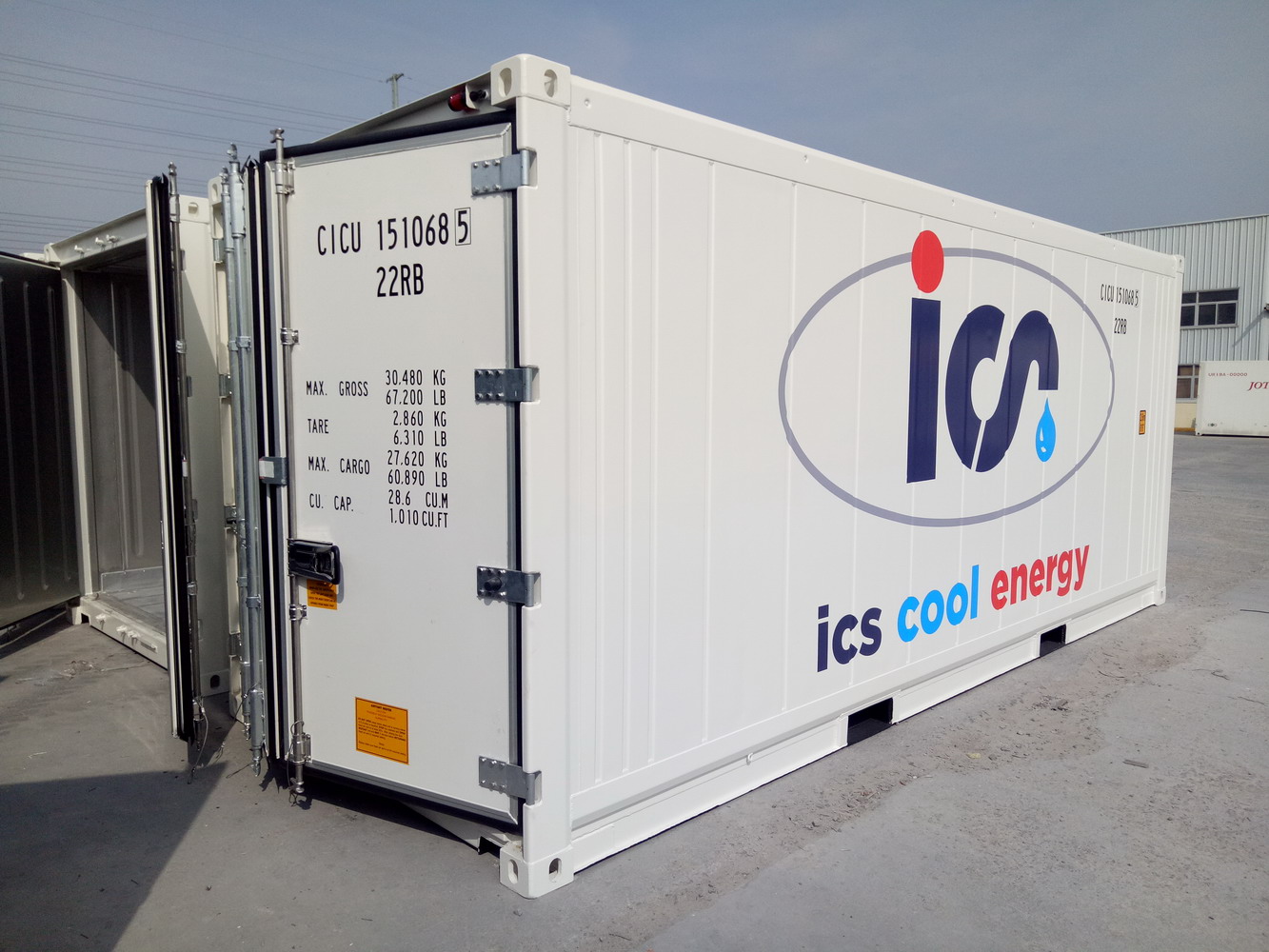
For businesses focused on building long-term infrastructure rather than managing ongoing service costs, ownership aligns better with that approach.
Long-term cost savings and asset ownership
Once you’ve recovered the initial investment through avoided rental payments, a purchased cold room essentially provides storage capacity at no additional cost for the remainder of its working life. Depending on the size of the installation and how long you use it, this can represent substantial savings compared to perpetual hire fees.
Ownership also means you’re building a tangible business asset. The equipment appears on your balance sheet, can potentially serve as security for financing, and retains some resale value if your circumstances change. For businesses thinking in terms of long-term value rather than short-term flexibility, this matters.
- Asset value: Purchased equipment contributes to your business’s overall worth and can be sold if no longer required.
- No ongoing payments: After the initial investment, you’re not paying monthly fees—just maintenance and running costs.
- Full control: You decide when to upgrade, modify, or replace the equipment without negotiating with a rental provider.
Higher initial costs and maintenance responsibility
Purchasing a cold storage unit involves more than the headline price. Delivery, installation, electrical work, and site preparation can add considerably to the initial outlay, catching businesses off guard when comparing purchase costs to rental fees.
You’ll also assume full responsibility for maintenance and repairs — whether through in-house capability or specialist contractors. For businesses with existing facilities teams, this integrates naturally. For smaller operations without that infrastructure, it adds a meaningful layer of ongoing complexity to manage.
Key factors to consider before deciding
The right choice depends on several practical considerations that vary from business to business. There’s no universally correct answer—only the answer that fits your specific situation.
| Factor | Favours hiring | Favours buying |
| Duration of need | Short term or uncertain | Long-term and predictable |
| Available capital | Limited or needed elsewhere | Sufficient for upfront investment |
| Demand pattern | Seasonal or fluctuating | Consistent year-round |
| Maintenance capability | Limited in-house expertise | Established facilities team |
| Customisation requirements | Standard specifications acceptable | Specific requirements essential |
| Growth stage | Early-stage or rapidly changing | Established and stable |
Some important requirements of a cold storage unit
Not all cold store units are built the same, and most older models won’t have the technology needed to maintain optimal temperature and maximise efficiency.
Temperature: Temperature control is why you want a cold storage unit should be your starting point. Most units on the market operate between -25°C and +25°C, though ICS Cool Energy’s units extend from -40°C to +30°C. For ultra-low requirements, blast freezers reach -70°C — typically used for blood plasma, pharmaceuticals, or sushi-grade fish.
Fast pull down mode: Units that have a superior cooling capacity will have more power to reach your specified temperature much faster. Whilst you may not need freezing to -40°C, the fast pull-down ability will cool your product quicker to help maintain freshness and the product’s life.
Ventilation: If storing fresh produce, ventilation is essential. Chilled fruit and vegetables continue to ripen, releasing gases and excess heat that must be removed from the unit. Fresh air ventilation manages both effectively.
ICS Cool Energy units include Advanced Fresh Air Management as standard — simply set your desired fresh air rate on the controller and the intelligent system handles the rest
Humidity: The ability to regulate humidity will have a big effect on the temperature control and performance of the unit. Any moisture in the air or condensation from within could spoil your fresh produce.
Therefore, the unit must have a dehumidification function to help control humidity. Our units can maintain humidity at +/- 2% a lowest setting of 50% RH.
Drainage: To help prevent bacterial growth and cross contamination, drainage gullies and holes will help remove any excess water from the cold storage unit and help keep it clean.
The one-way drainage system will only flow out of the unit, preventing any air or moisture from entering.
Remote monitoring: ICS Cool Energy units support remote monitoring with two-way communication, helping you manage performance, reduce stock loss risk, and avoid food safety issues.
Energy data keeps you informed about consumption levels, enabling smarter decisions without compromising your produce.
Making the right choice for your cold storage needs
Hiring a cold storage unit suits temporary needs, seasonal demand, or uncertain capacity requirements, offering flexibility, lower upfront costs, and included support.
Buying a cold storage unit delivers long-term cost efficiency and full control, making it better suited to established operations with predictable, year-round storage needs.
Neither is inherently superior — the right choice depends on your budget, timeline, maintenance capabilities, and confidence in future requirements.
Related Articles
August 5, 2026
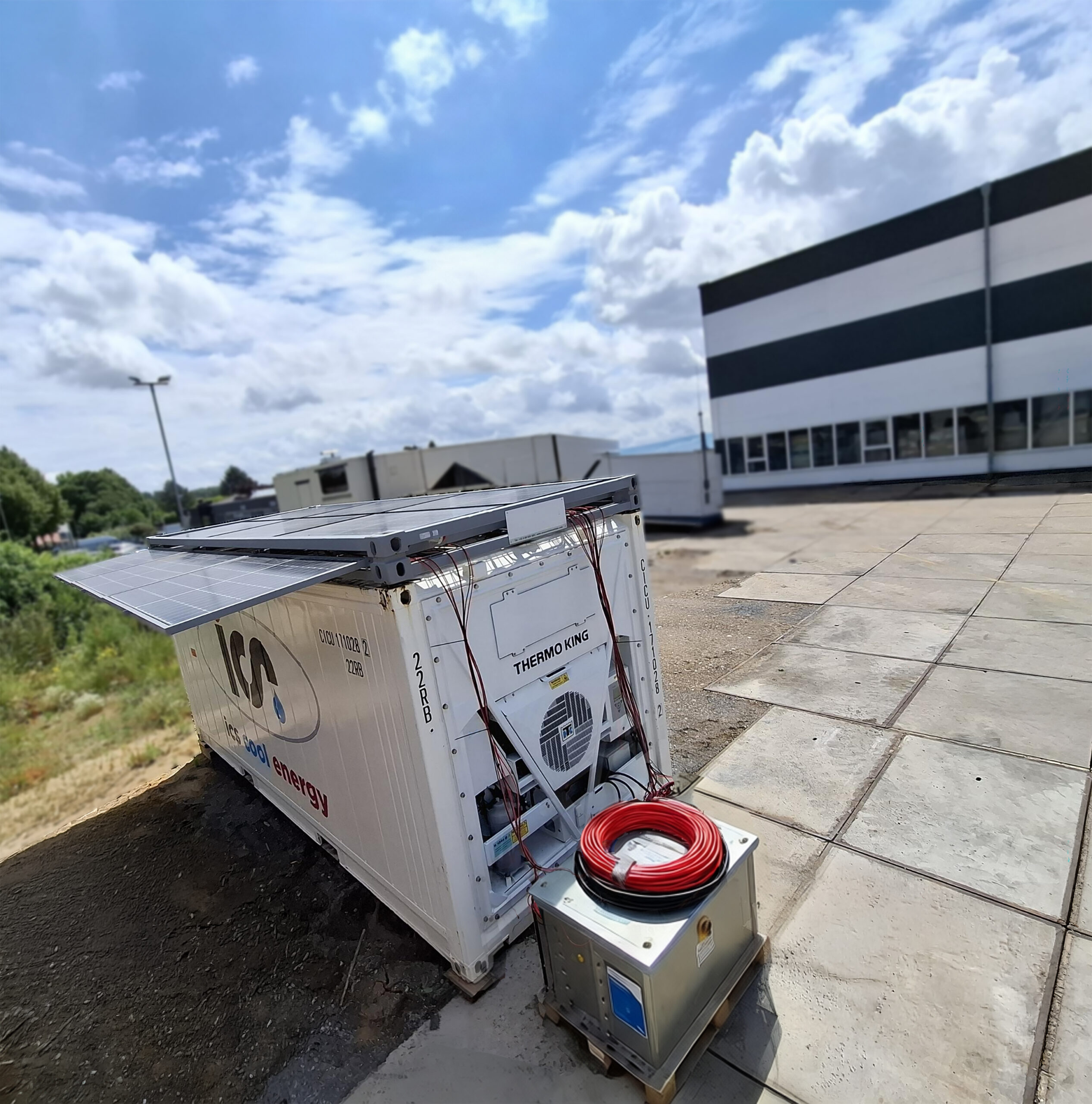
ICS Cool Energy runs 7-day trial for solar-powered refrigerated container, delivering 24/7 operation at -18°C setpoint
Field test demonstrated ICS Cool Energy’s solar-powered cold store container can maintain precise temperature for frozen applications for over a week, even under adverse conditions....
Read More
June 9, 2026
Reducing Pharma Temperature-Control Risk: How Temporary Cold Store Solutions Protect High-Value Product
Pharmaceutical operations depend on precise temperature control across process cooling, controlled environments, and cold storage. Temporary cold store solutions help protect high-value, temperature-sensitive products during...
Read More
April 22, 2026
What is the difference between cold store and cold storage
A cold store is something you can walk into. It’s the actual warehouse, the refrigerated room, the structure with insulated walls and cooling equipment. Cold...
Read More