




Updated: April 22, 2026
What is the difference between cold store and cold storage
A cold store is something you can walk into. It’s the actual warehouse, the refrigerated room, the structure with insulated walls and cooling equipment. Cold storage, on the other hand, describes the entire practice of keeping goods at controlled temperatures. That includes the buildings, yes, but also the processes, logistics, and infrastructure that make temperature-controlled preservation possible.
When you’re comparing vendors or signing a lease, the distinction matters.
| Feature | Cold Store | Cold Storage |
| Definition | A physical refrigerated building or room | The overall practice, system, or industry |
| Scope | Single facility | Can include multiple facilities and logistics |
| Usage | Common in UK/AU English | More universal term |
What is a cold store
Cold stores vary widely in size. Some are modest walk-in coolers attached to a restaurant kitchen. Others are industrial warehouses covering hundreds of thousands of square feet. What connects them is purpose: maintaining a controlled environment at specific temperature conditions.
You’ll find cold stores at food distribution centres, pharmaceutical facilities, and agricultural operations. Each one is built to protect temperature-sensitive products from spoilage, whether that means keeping lettuce crisp or vaccines viable.
What is cold storage
When someone mentions cold storage, they might mean a single facility or an entire network of refrigerated locations connected by temperature-controlled trucks. The term captures both the physical spaces and the systems that coordinate them.
Cold storage matters in any industry where product integrity depends on consistent temperatures. That includes everything from the farm-to-grocery journey for produce to the manufacturing-to the pharmacy industry for medications.
How cold stores and cold storage facilities work
Cold stores and cold storage facilities rely on refrigeration systems that continuously remove heat from enclosed spaces. The goal is maintaining target temperatures regardless of weather conditions outside.
The basic setup includes three main components:
Refrigeration units: Compressors and evaporators cycle refrigerant to absorb heat from inside the storage area and release it outside
Insulated panels: Walls, ceilings, and doors built with materials that minimise temperature fluctuation and block warm air from entering
Temperature monitoring: Sensors and digital controls track conditions in real time and send alerts if temperatures drift outside acceptable ranges
Most modern facilities also include backup power systems and redundant cooling units. A power outage or equipment failure could compromise an entire inventory of perishable goods within hours, so redundancy is standard practice.
Temperature ranges for cold store and cold storage
Different products require different temperature conditions. A cold store designed for fresh produce operates very differently from one built for frozen seafood. Facilities typically organise around specific temperature zones.
Chilled storage
Chilled storage maintains temperatures just above freezing, usually between 0°C to 4°C. Fresh produce, dairy products, beverages, and prepared foods all fall into this category. These items benefit from refrigeration but would suffer damage if frozen.
Frozen storage
Frozen storage keeps products at sub-zero temperatures, typically around -18°C to -23°C. Meat, seafood, frozen vegetables, and ice cream require this environment for long-term preservation. At these temperatures, bacterial growth essentially stops, extending shelf life significantly.
Deep frozen storage
Deep frozen or ultra-low temperature storage drops below -29°C and can reach as low as -80°C for specialised applications. Certain pharmaceuticals, biological samples, and some premium food products require these extreme conditions to maintain stability.
Tip: When evaluating cold storage options, confirm the specific temperature range a facility can maintain and ask about their monitoring and alarm systems.
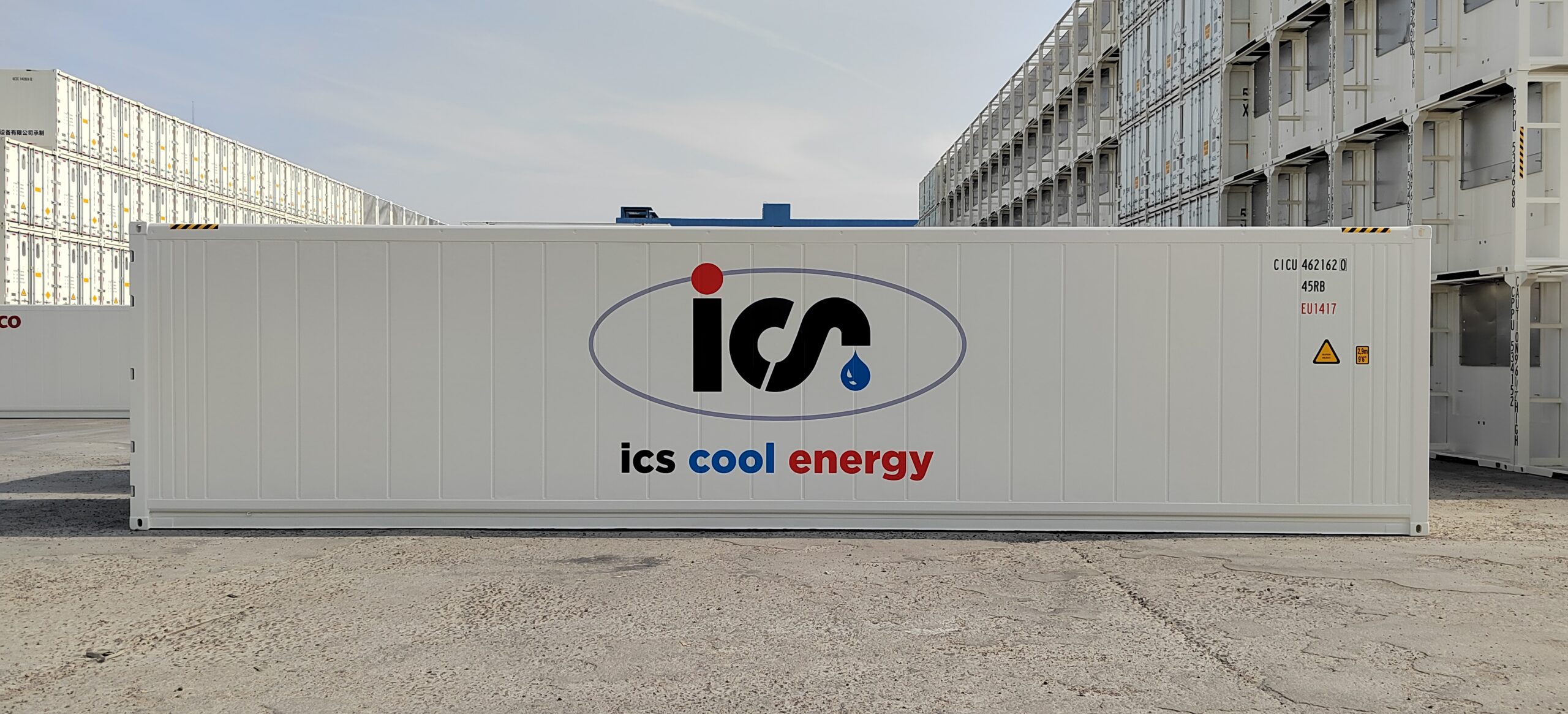
Cold store vs cold storage vs cold room
These three terms cause confusion, but each refers to something distinct.
A cold room is typically a smaller, walk-in refrigerated space located within a larger building. Restaurants keep cold rooms in their kitchens for daily ingredient access. Laboratories use them for sample storage. Retail stores have them in back rooms for overflow inventory.
| Term | Size | Typical Use |
| Cold room | Small, walk-in | On-site storage at restaurants, labs, retail |
| Cold store | Large building | Dedicated warehouse storage and distribution |
| Cold storage | Varies | Industry term for all refrigerated storage |
Industries that rely on cold store and cold storage
Temperature-controlled storage serves a wide range of industries. While food is the most obvious application, several other sectors depend heavily on cold chain infrastructure.
Food and beverage
The food and beverage industry represent the largest users of cold storage units. Without proper refrigeration, these products spoil quickly, creating waste and potential health hazards. The journey from farm or factory to consumer often involves multiple cold storage stops.
Pharmaceuticals and biotech
Vaccines, biologics, and many medications require strict temperature control from manufacturing through delivery. Some products are sensitive to even brief temperature excursions, which can render them ineffective or unsafe. The COVID-19 vaccine rollout highlighted just how critical pharmaceutical cold storage has become.
Floral and horticulture
Cut flowers and live plants benefit from refrigeration that slows their metabolism and extends freshness. Florists and garden centres rely on cold storage to keep inventory looking vibrant, sometimes for weeks after harvest.
Chemicals and industrial goods
Certain chemicals, adhesives, and industrial materials require cold environments to maintain stability. These products often have narrow temperature tolerances, and exposure to warmth can cause degradation or dangerous reactions.
How to choose between a cold store and a refrigerated warehouse
Selecting the right cold storage solution depends on factors specific to your operation. The decision involves matching your product requirements to available facility capabilities.
Storage volume and turnover
How much product do you store, and how frequently does it move? High-volume operations with rapid turnover benefit from larger facilities with multiple loading docks and layouts optimised for efficient movement. Smaller operations with slower turnover might find a shared cold storage arrangement more practical.
Product temperature requirements
Different products demand different temperature zones. Some facilities offer multi-temperature environments with separate areas for chilled and frozen goods. Others specialise in a single temperature range. Matching your product needs to facility capabilities prevents costly problems down the line.
Location and cold chain integration
Proximity to transportation networks, suppliers, and customers affects both cost and product quality. A well-located cold store reduces transit times and minimises the risk of temperature breaks during transport. For perishable goods, every hour in transit matters.
Budget and operating costs
Energy consumption represents a significant ongoing expense for any refrigerated facility. Newer buildings with efficient insulation and modern refrigeration systems typically cost less to operate over time. When comparing options, look beyond the monthly rate to understand total cost of operation.
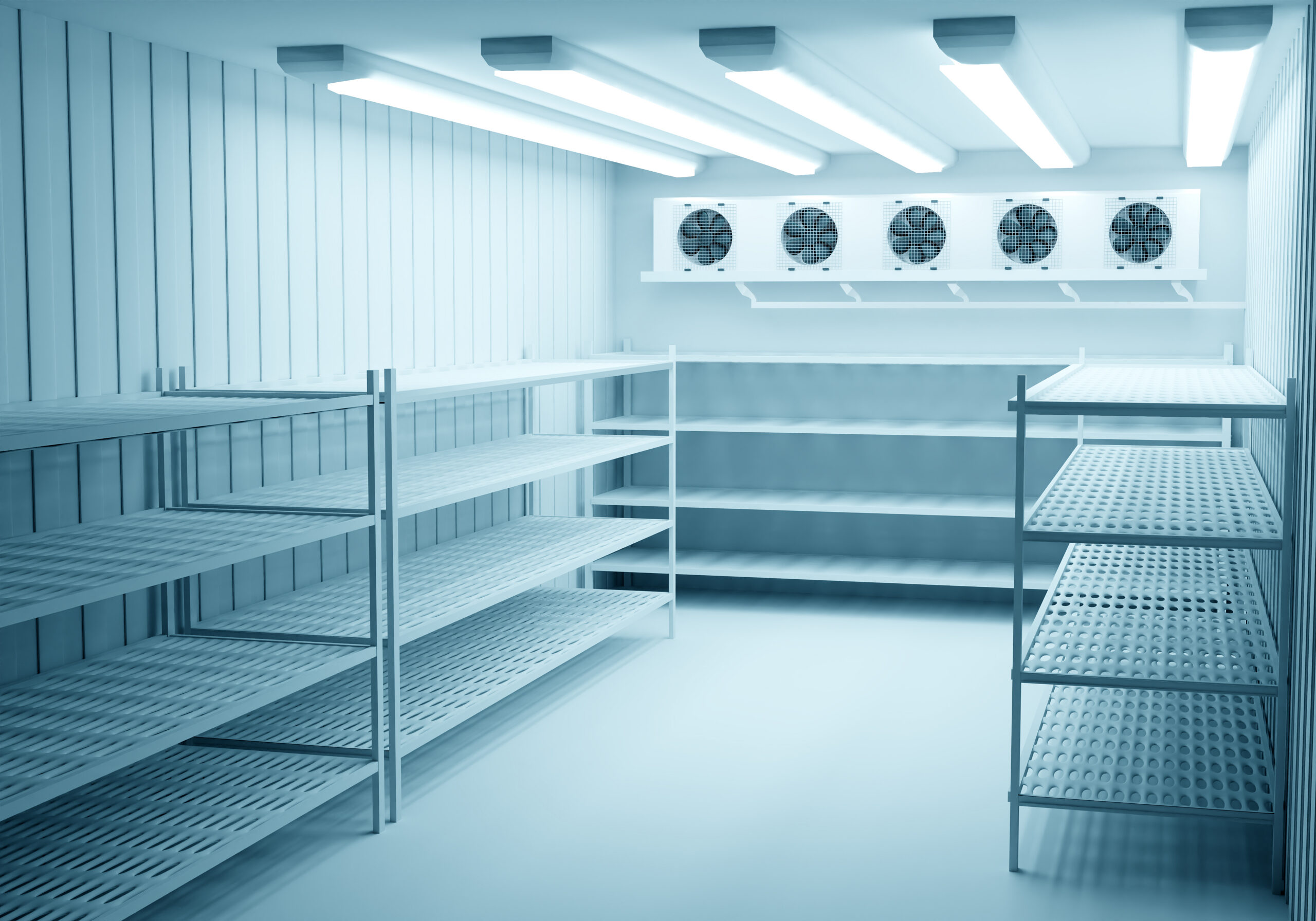
The role of cold chain logistics in cold storage
The cold chain is the unbroken series of refrigerated transport and storage that keeps products at safe temperatures from origin to destination. Cold stores serve as nodes within this chain, holding products between transportation legs.
A single product might pass through several locations — frozen fish, for example, travels from a processing plant to a distribution cold store, then a warehouse, then a retail freezer. Breaks in the chain, even brief ones, can compromise quality or safety, making careful coordination between partners essential.
Finding the right cold storage solution for your business
Choosing between cold store options comes down to understanding what you’re storing, how much of it, at what temperature, and where it goes next.
Start by mapping your product requirements and volume projections. Consider seasonal fluctuations if your business has them. Then evaluate potential facilities based on temperature capabilities, location, capacity, and track record with similar products.
The right cold storage partner provides more than space. They offer reliability, proper handling, and integration with your broader supply chain. When products depend on consistent temperatures, that reliability directly affects your product quality and customer satisfaction.
FAQs
Can a cold store be part of a larger cold storage facility?
Absolutely. A cold store can function as one building or zone within a larger cold storage operation. Large distribution centres often contain multiple cold stores operating at different temperatures, all managed as part of a single cold storage service.
What is the difference between a cold store and a freezer warehouse?
A cold store may operate at various temperatures, including chilled ranges above freezing or frozen ranges below zero. A freezer warehouse specifically maintains sub-zero temperatures and is designed exclusively for frozen product storage. All freezer warehouses are cold stores, but not all cold stores are freezer warehouses.
What does cold storage mean in logistics?
In logistics, cold storage refers to temperature-controlled warehousing that forms part of the cold chain. It’s where perishable goods are held between production and delivery while maintaining required temperatures. The term encompasses both the physical facilities and the services that manage them.
Related Articles
August 5, 2026
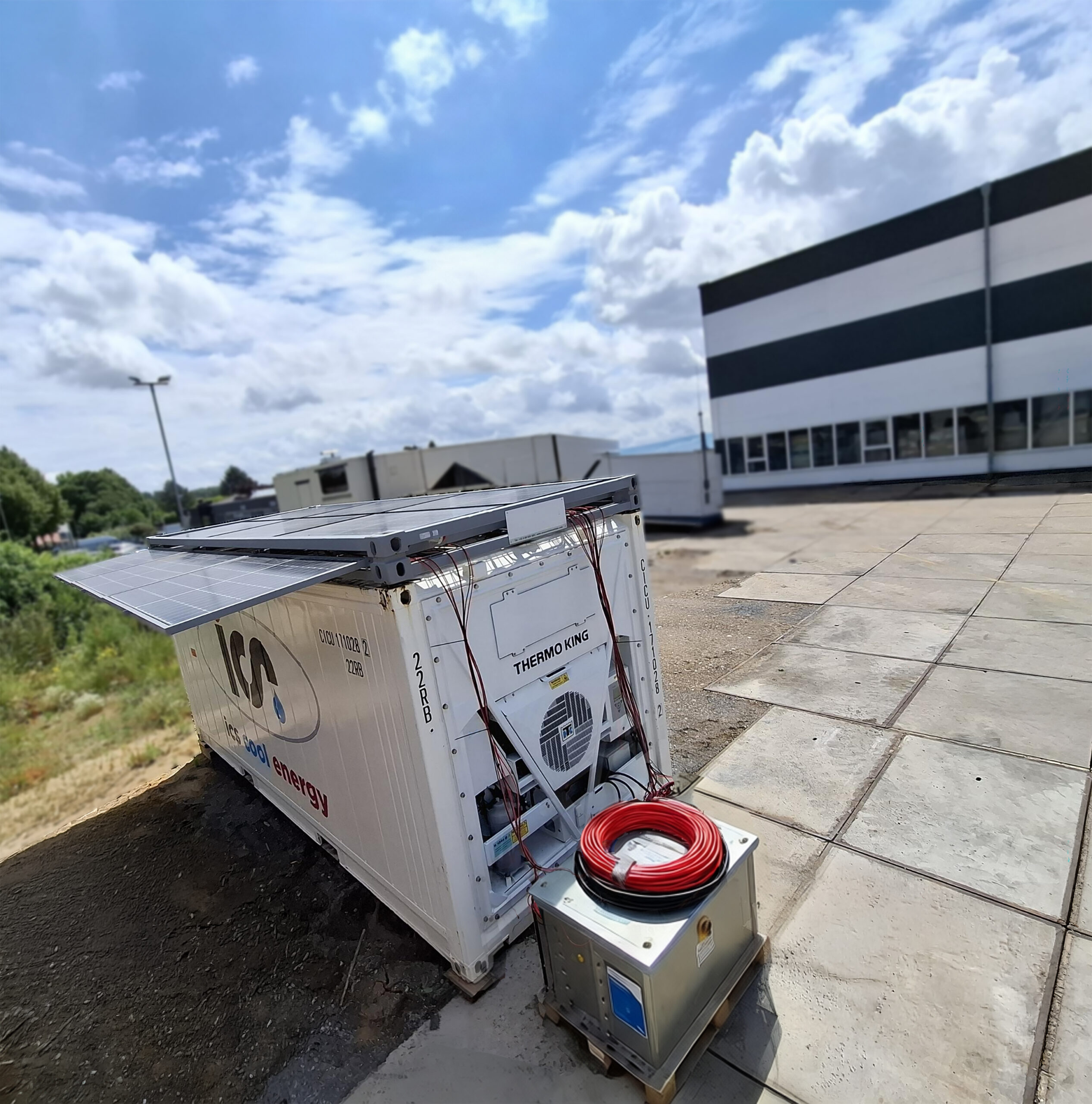
ICS Cool Energy runs 7-day trial for solar-powered refrigerated container, delivering 24/7 operation at -18°C setpoint
Field test demonstrated ICS Cool Energy’s solar-powered cold store container can maintain precise temperature for frozen applications for over a week, even under adverse conditions....
Read More
June 26, 2026
Cold Storage Hire Vs Buying: Making The Right Decision For Your Business
The choice between hiring a cold storage unit and buying a cold storage room shapes your cash flow, your operational flexibility, and how much hassle...
Read More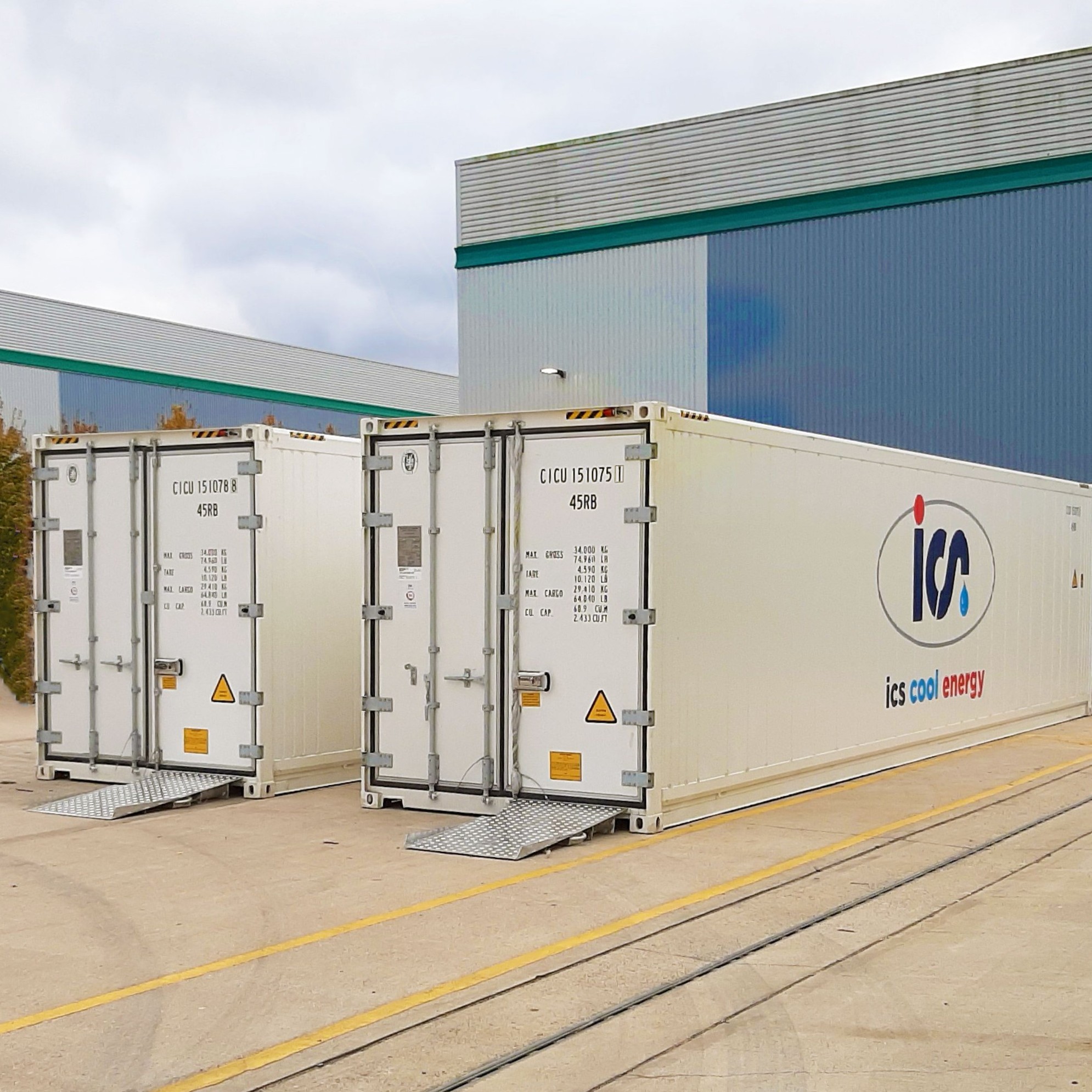
June 9, 2026
Reducing Pharma Temperature-Control Risk: How Temporary Cold Store Solutions Protect High-Value Product
Pharmaceutical operations depend on precise temperature control across process cooling, controlled environments, and cold storage. Temporary cold store solutions help protect high-value, temperature-sensitive products during...
Read More