




Updated: June 9, 2026
Reducing Pharma Temperature-Control Risk: How Temporary Cold Store Solutions Protect High-Value Product
Pharmaceutical operations depend on precise temperature control across process cooling, controlled environments, and cold storage. Temporary cold store solutions help protect high-value, temperature-sensitive products during maintenance, refurbishment, testing, capacity constraints, and contingency events. To be suitable for pharmaceutical use, they must do more than provide refrigerated space: they must maintain product integrity, support controlled operating conditions, and reduce the risk of temperature excursion, deviation, and batch loss. In practice, that means prioritising redundancy, precise and verifiable temperature control, continuous monitoring, GDP-qualified equipment, backup power, cleanliness, and rapid service support.
———————————–
Few industries demand precision like pharmaceuticals. From process cooling and cleanroom support to finished-product storage, temperature control infrastructure must perform reliably under changing conditions while supporting product quality, regulatory compliance, and operational continuity. Process chillers form a critical part of that infrastructure. Optimised for demanding use, they provide a reliable solution that not only supports continuity of process but adapts rapidly in response to fluctuations in system demand, helping maintain stable, precise temperature control at all times and under varying operating conditions.
Against this backdrop, temporary cold stores are rarely used as simple overflow space. More often, they are deployed to solve a specific operational challenge: protecting temperature-sensitive product during planned maintenance, supporting refurbishment of existing cold rooms, creating temporary additional capacity, or providing separate storage conditions for testing and stability work. In deep-frozen and ultra-low-temperature applications in particular, a temporary cold store can be more practical than attempting to replicate permanent infrastructure with a temporary chiller-based arrangement on site.
The objective is always clear – to preserve product integrity, maintain controlled conditions, and reduce the risk of excursion, deviation, and batch loss when permanent infrastructure is unavailable or under pressure.
Why Use Temporary Cold Stores
Permanent cold rooms remain central to pharmaceutical operations, but they do not solve every short-term challenge on site. Temporary cold stores and freezer containers are used across a broad range of pharmaceutical cold chain applications, including vaccine storage and distribution, biologics and biosimilars, temperature-sensitive enzymes, clinical trial materials, blood plasma, biological samples, and temporary manufacturing backup during shutdowns, refurbishment, maintenance, or peak production periods.
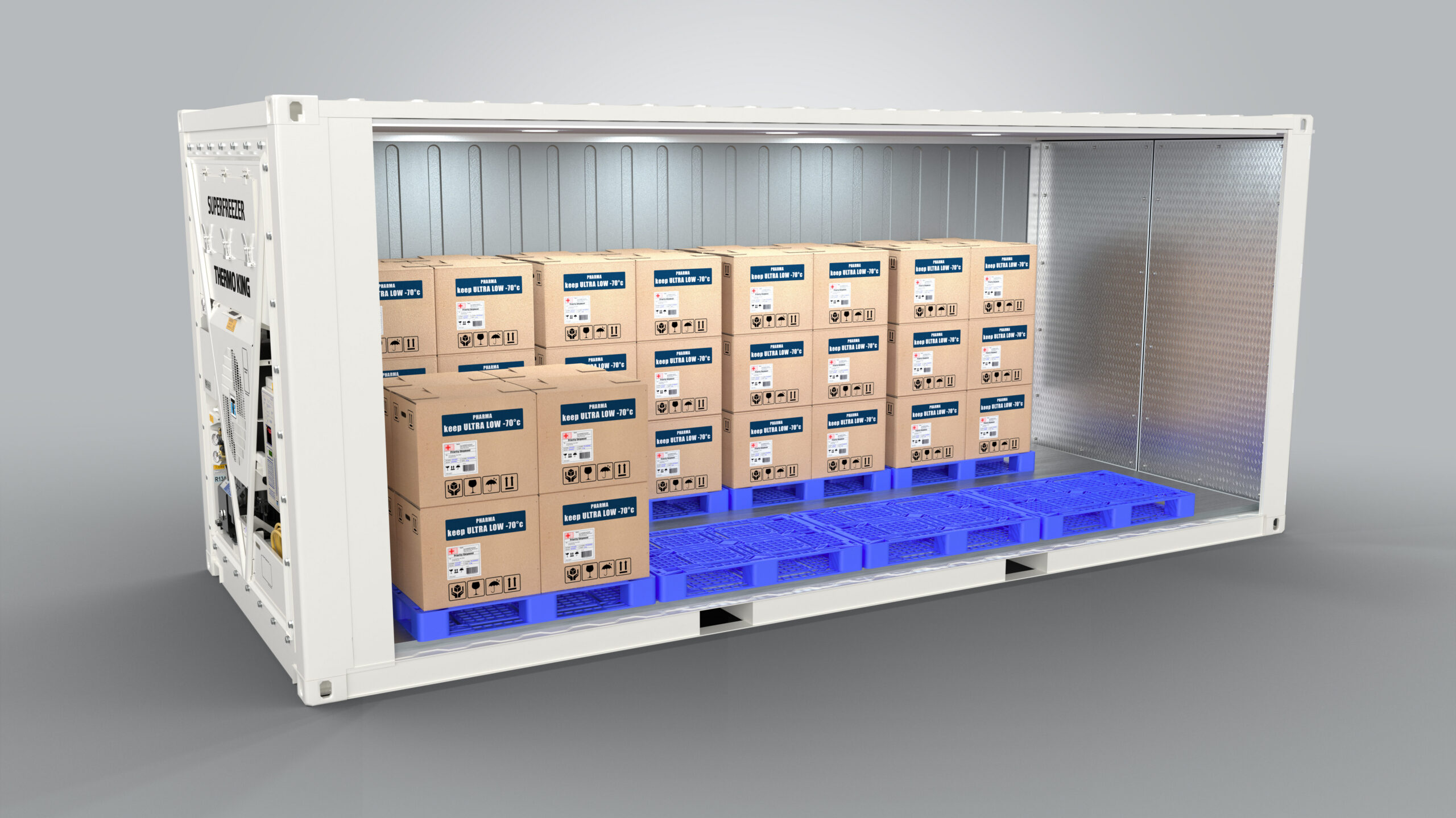
They are also relevant across multiple storage regimes, from controlled-temperature applications in the +2°C to +8°C range through frozen and deep-frozen storage to ultra-low-temperature applications such as -70°C, depending on the product profile, process requirement, and risk level of the material being stored.
In pharmaceutical manufacturing and life sciences operations, cold stores are typically used in a set of well-defined operational scenarios. These include:
- planned maintenance, refurbishment or replacement of refrigeration infrastructure, when product must be protected while permanent cooling systems or cold rooms are taken offline
- temporary expansion, where additional controlled-temperature capacity is required during peak production, site reconfiguration, or shifts in inventory profile.
- testing and stability work, where operators need a separate temperature-controlled environment without disrupting validated permanent storage.
They also fulfil an important business continuity role, either as live backup or as contingency capacity in the event of permanent equipment failure or power disruption.
This is especially relevant where the stored materials include high-value finished products, intermediates, biologics, plasma, enzymes, investigational materials, or deep-frozen inputs for later manufacture. In such cases, the temporary cold store is not simply a space solution; it is controlled, documented, and dependable part of the site’s wider risk-control and continuity strategy.
Redundancy is the Critical Differentiator
From a pharmaceutical perspective, the principal differentiator between a standard refrigerated container and a pharma-specified temporary cold store is redundancy. In pharma, compared to other industrial or commercial applications, the operating question is not only whether the unit can achieve setpoint, but how the product remains protected if a refrigeration circuit fails, if power is interrupted, or if a service intervention is required.
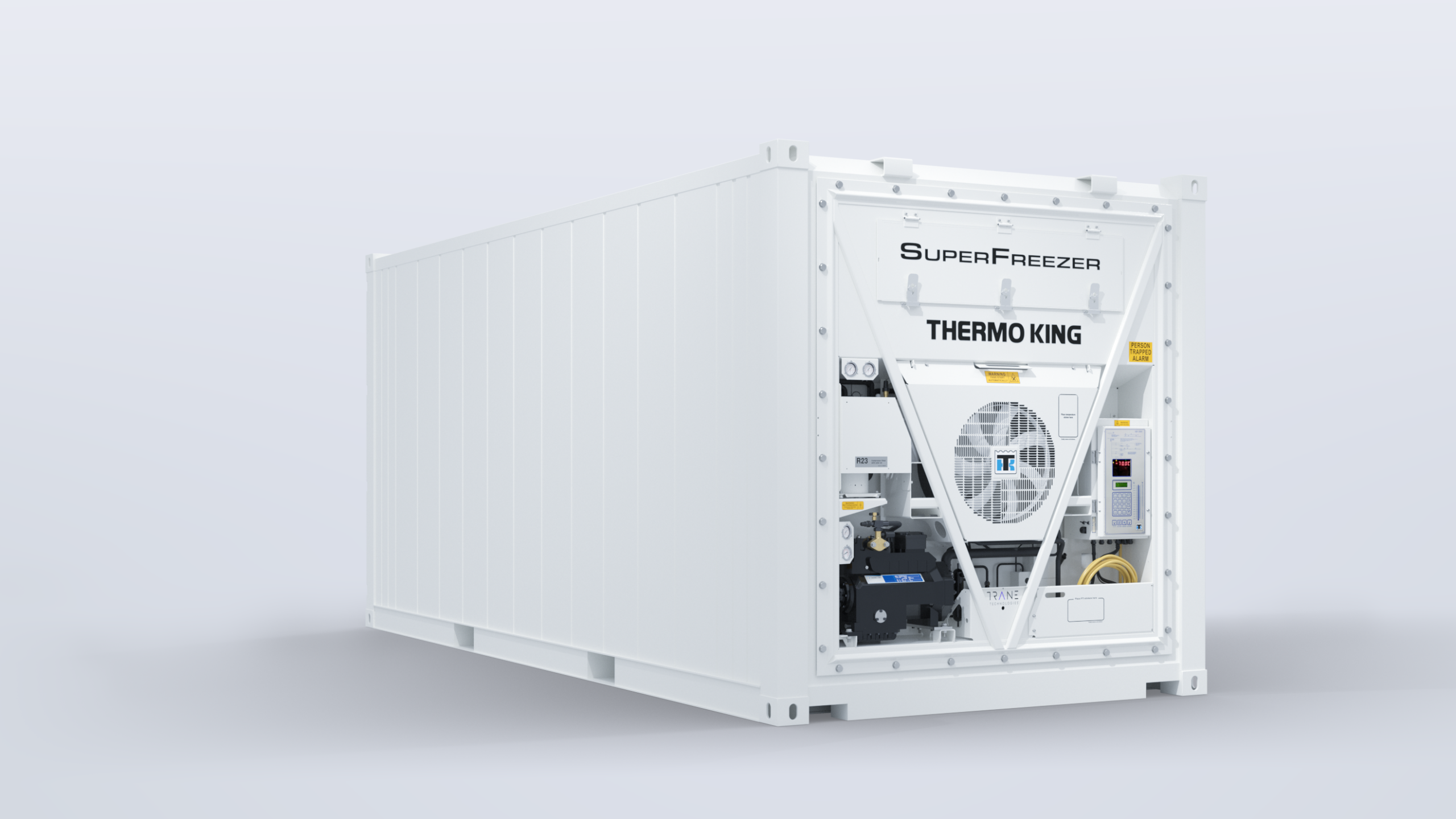
That is why higher-specification pharmaceutical cold stores may incorporate two complete and independent refrigeration systems. Each system operates with its own control logic, allowing one system to assume duty if the other develops a fault. In more advanced configurations, automatic alarm generation and automatic changeover to the backup system are integral to the design.
Power resilience is equally important. Depending on the criticality of the application, temporary cold store solutions may also be supported by built-in generator sets, stand-alone gensets, or battery power solutions to maintain operation during site power loss or wider electrical disruption.
Taken together, dual refrigeration and backup power options reduce dependence not only on a single refrigeration train, but also on a single power source. For high-value products, this is not a convenience feature; it is a resilience measure designed to reduce the probability of product loss from equipment failure, utility interruption, or other single-point events.In that context, the additional protection is often far more important than the marginal cost difference between standard and higher-specification temporary storage solutions.
Quantifiable Temperature Control and Continuous Monitoring Are Essential
For highly regulated pharmaceutical storage, temperature control performance must be defined in engineering terms, within tight tolerances, rather than described generically.
Cold stores featuring proven and dependable refrigeration technologies like Thermo King and Klinge can maintain tolerances of at least ±0.25°C in chill mode, and ±1.0°C in frozen mode. These tolerances matter because pharmaceutical users are not simply evaluating whether a unit cools adequately; they are assessing whether it can maintain a stable control band appropriate for sensitive materials and closely monitored storage condition.
This is particularly important where the stored product is susceptible to degradation, where temperature records may be reviewed retrospectively, or where temporary storage is being used in support of a quality-critical activity. In such settings, stability, repeatability, and predictable control response are more important than nominal setpoint alone.
However, in pharmaceutical storage, control without visibility is insufficient.
Continuous monitoring capability should provide real-time visibility of internal temperature performance, deviation alarms, power loss notifications, alarm history, and access to historical temperature data for review. A robust temporary cold store solution may use
4G telematics as the primary communications layer, with Wi-Fi modem options available where mobile coverage is poor or unreliable.
This is operationally important because many pharmaceutical campuses, yard locations, and remote industrial sites do not offer consistent cellular performance. Under such conditions, communications resilience becomes part of storage resilience. If the unit cannot reliably report alarm states, power events, or temperature trends, the site’s response capability is weakened even if refrigeration performance remains nominal.
Calibration, Verification, and Certification
From a quality perspective, calibration, verification, and certification are central to acceptance of temporary storage in pharmaceutical environments. Temperature mapping, and the documented proof of performance it provides, is often as important as the technical specification itself.
In practical terms, Good Distribution Practice (GDP) qualification and certification are often the clearest third-party proof point available to support customer confidence and should be a meaningful benchmark when assessing whether a temporary storage solution is suitable for controlled-temperature pharmaceutical use.
GDP-related qualification supports confidence in temperature stability, operational consistency, and performance under defined ambient conditions. It also aligns with the broader expectation in pharma that temperature-controlled equipment should be supported by objective evidence rather than vendor assertion alone.
Service Response is a Critical Performance Variable
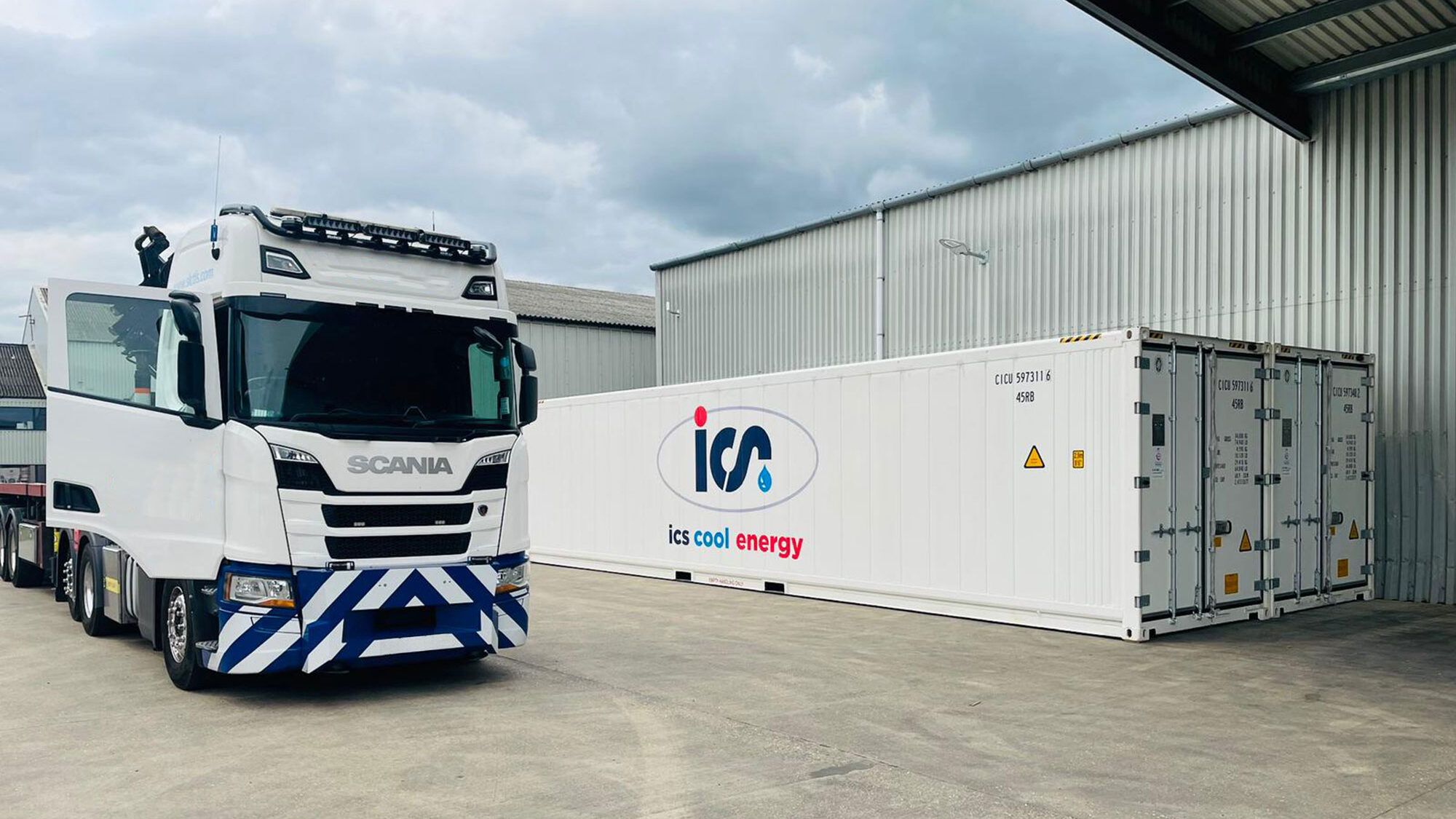
A temporary cold store may be well specified, but in practice its real performance depends heavily on the provider’s service model. In pharmaceutical use, the right solution provider is the one that can react quickly and effectively when something occurs, with service teams located nearby, technicians on standby, and the ability to intervene rapidly on both standard and specialist units.
This is not a secondary consideration. For high-value pharmaceutical cargo, the speed and competence of service response can materially affect the outcome of a fault event. The relevant question is not merely whether the provider can supply the unit, but whether they can sustain and support it under fault conditions with the urgency that pharmaceutical operations require.
The Economic Logic is About Risk, Not the Cost of Hire
Pharmaceutical operators do not typically evaluate temporary cold stores on rental price alone. The more meaningful calculation is the relationship between cost of hire and the potential cost of failure. A single temperature excursion may result in product loss, batch rejection, deviation investigation, delayed release, interrupted manufacturing, or supply disruption.
In that context, temporary cold stores are engineered resilience assets. They are deployed to maintain continuity during maintenance, support controlled testing, provide temporary additional capacity, and protect high-value product when permanent infrastructure is unavailable or at risk.
Where inventory value may run into millions, the additional investment in dual refrigeration, backup power, certification support, enhanced monitoring, and rapid service capability is often marginal compared with the financial and operational consequences of inadequate protection.
Related Articles
August 5, 2026
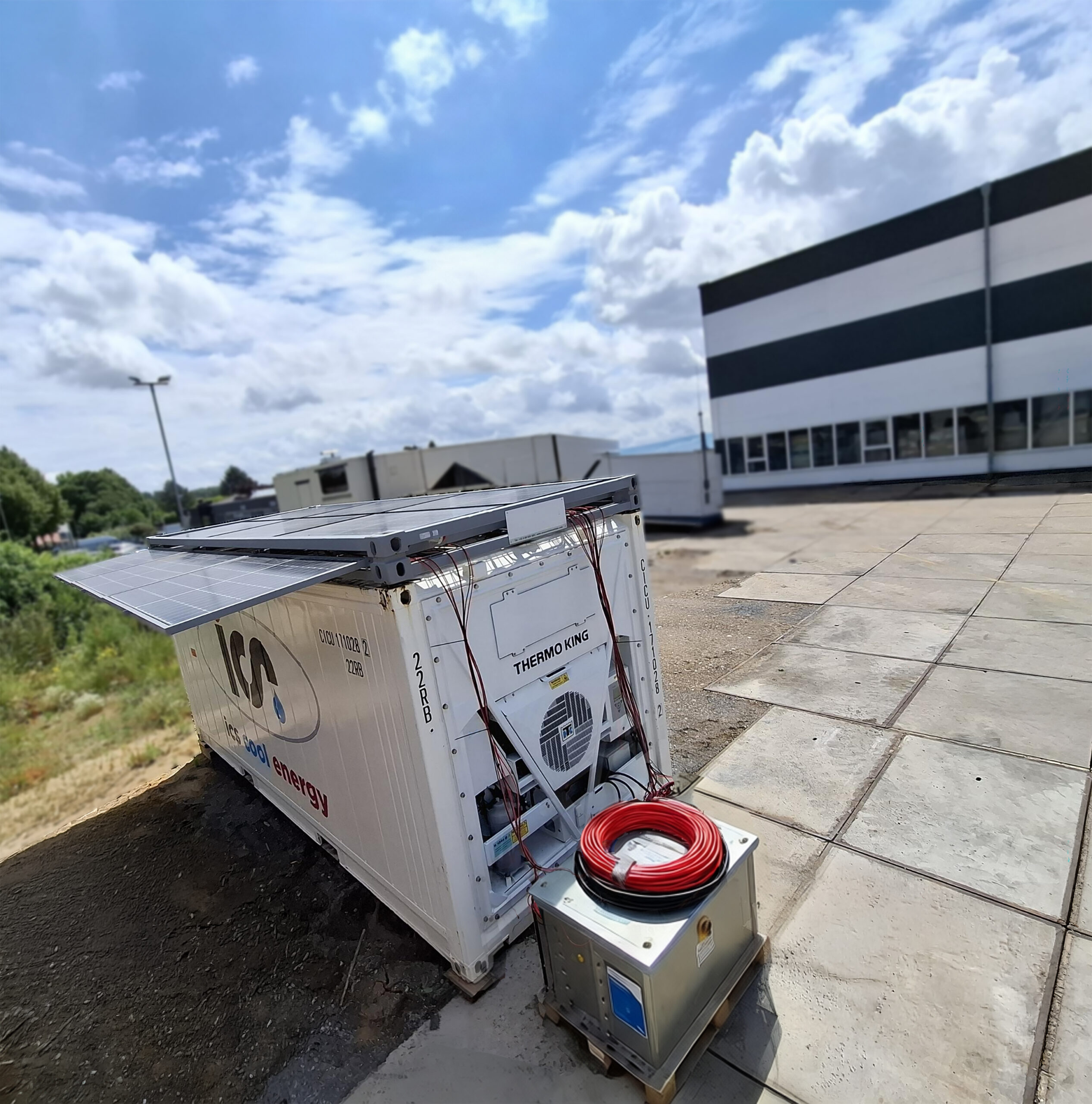
ICS Cool Energy runs 7-day trial for solar-powered refrigerated container, delivering 24/7 operation at -18°C setpoint
Field test demonstrated ICS Cool Energy’s solar-powered cold store container can maintain precise temperature for frozen applications for over a week, even under adverse conditions....
Read More
July 15, 2026
Should you be considering a summer shutdown?
For many businesses, summer brings holidays and quieter production schedules. For manufacturers, however, it also presents a valuable opportunity to strengthen operations before demand increases...
Read More
June 26, 2026
Cold Storage Hire Vs Buying: Making The Right Decision For Your Business
The choice between hiring a cold storage unit and buying a cold storage room shapes your cash flow, your operational flexibility, and how much hassle...
Read More