



Cold Chain Management and Handling: A Complete Industry Guide
Cold chain management is the systematic oversight of temperature-sensitive products from origin to destination, while cold chain handling covers the physical practices at each touchpoint along the way. This guide walks through how the cold chain works, the equipment and technology that support it, and the practices that keep products safe across industries from pharmaceuticals to fresh food.
What is cold chain management and cold chain handling?
Cold chain management is the end-to-end oversight of temperature-sensitive products from origin to destination, covering planning, monitoring, documentation and coordination at every stage, ensuring products stay within their required temperature range and arrive safe and effective
Cold chain handling refers to the physical practices at each touchpoint. Loading a truck, transferring pallets between facilities, stocking a pharmacy refrigerator—all of that falls under handling. Management is the strategy; handling is the execution.
The core components work together:
- Temperature control: Maintaining specific ranges during transit and storage
- Monitoring: Tracking conditions continuously through sensors or data loggers
- Documentation: Recording temperature data for compliance and traceability
- Coordination: Aligning everyone involved, from manufacturers to carriers to receivers
A single temperature spike during transit can turn a million-pound vaccine shipment into hazardous waste. The margin between a safe product and a compromised one is often just a few degrees and a few hours.
Why cold chain management matters
When temperature control fails, products become unsafe, ineffective, or unsellable. The consequences show up in different ways depending on the industry and product type.
Product safety and quality
Temperature deviations can render vaccines ineffective, spoil fresh produce, or degrade medications. Even brief exposure outside the required range sometimes causes irreversible damage. The tricky part is that compromised products often look perfectly normal.
Waste and spoilage reduction
Proper cold chain handling directly reduces product loss. For food distributors, fewer write-offs mean better margins. For pharmaceutical companies, avoiding batch rejections protects both revenue and patient access.
Regulatory compliance
Agencies like the WHO require documented temperature control for many products. Non-compliance can trigger recalls, fines, or loss of distribution licences. Beyond the financial impact, regulatory issues damage reputation in ways that take years to rebuild.
Operational efficiency
Consistent cold chain processes reduce delays, rework, and emergency interventions. When protocols are clear and followed, shipments move predictably. Exceptions become rare rather than routine, which frees teams to focus on growth instead of firefighting.
Key stages of the cold chain process
The cold chain operates as a sequence of connected steps. A breakdown at any point can compromise everything that follows.
1. Procurement and pre-cooling
Before products enter the supply chain, they typically require cooling to their target temperature. Pre-cooling removes field heat from produce or stabilises pharmaceuticals before packaging. Skipping this step means the rest of the cold chain starts at a disadvantage.
2. Cold storage
Warehouses and distribution centres hold products at controlled temperatures until shipment. Proper zoning separates frozen, refrigerated, and ambient goods to prevent temperature cross-contamination.
3. Refrigerated transportation
Reefer trucks, refrigerated containers, and temperature-controlled air freight move goods between facilities. The choice of transport mode depends on distance, urgency, and how sensitive the product is to temperature variation.
4. Last-mile delivery
The final leg often presents the greatest risk. Smaller vehicles, frequent stops, and repeated door openings expose products to temperature swings. Many cold chain failures happen in the last mile, not during long-haul transport.
5. Final handling and display
At retail locations or clinical settings, products still require temperature control until use. Display cases, pharmacy refrigerators, and proper stock rotation all play a role in maintaining product integrity.
Cold chain temperature ranges by product type
Different products demand different temperature bands. Using the wrong range—even by a few degrees—can mean the difference between a safe product and a compromised one.
| Category | Typical Temperature Range | Example Products |
| Frozen | -18°C (0°F) or below | Ice cream, frozen meals, some biologics |
| Refrigerated | 2°C to 8°C (36°F to 46°F) | Dairy, fresh produce, most vaccines |
| Controlled room temperature | 15°C to 25°C (59°F to 77°F) | Some oral medications, certain diagnostics |
| Ultra-low | Ultra-low -60°C to -80°C (-76°F to -112°F) | mRNA vaccines, cell therapies |
Frozen products
Deep-freeze requirements preserve products for extended periods. Temperature cycling—repeated warming and refreezing—causes freezer burn and crystallisation damage, so consistency matters as much as hitting the target temperature
Refrigerated products
Standard refrigeration covers most perishables and vaccines. This range sits close to both freezing and ambient temperatures, which makes it vulnerable to drift in either direction. Careful monitoring catches problems before they become serious.
Controlled room temperature products
CRT products don’t require refrigeration but still benefit from protection against heat and humidity. Climate-controlled environments prevent degradation that might otherwise occur during storage and transit.
Ultra-low temperature products
Specialised equipment like ultra-low freezers and dry ice shipping containers maintain extreme cold. The margin for error is narrow, so handling protocols become especially critical. A few minutes of exposure to warmer temperatures can compromise an entire shipment.
Cold chain packaging and equipment
Packaging and equipment work together to maintain temperature. The right combination depends on product requirements, transit duration, and the environmental conditions along the route.
Insulated shippers and containers
Insulated boxes and pallet covers provide passive protection by slowing heat transfer. Options range from simple foam coolers to engineered containers designed for multi-day performance. Passive systems don’t generate cold—they just hold it longer.
Refrigerants and phase change materials
Gel packs, dry ice, and phase change materials absorb or release heat to maintain target temperatures. Phase change materials, or PCMs, are substances engineered to transition from solid to liquid at specific temperatures. As they change phase, they absorb heat energy, which keeps the surrounding environment stable.
Reefer trucks and containers
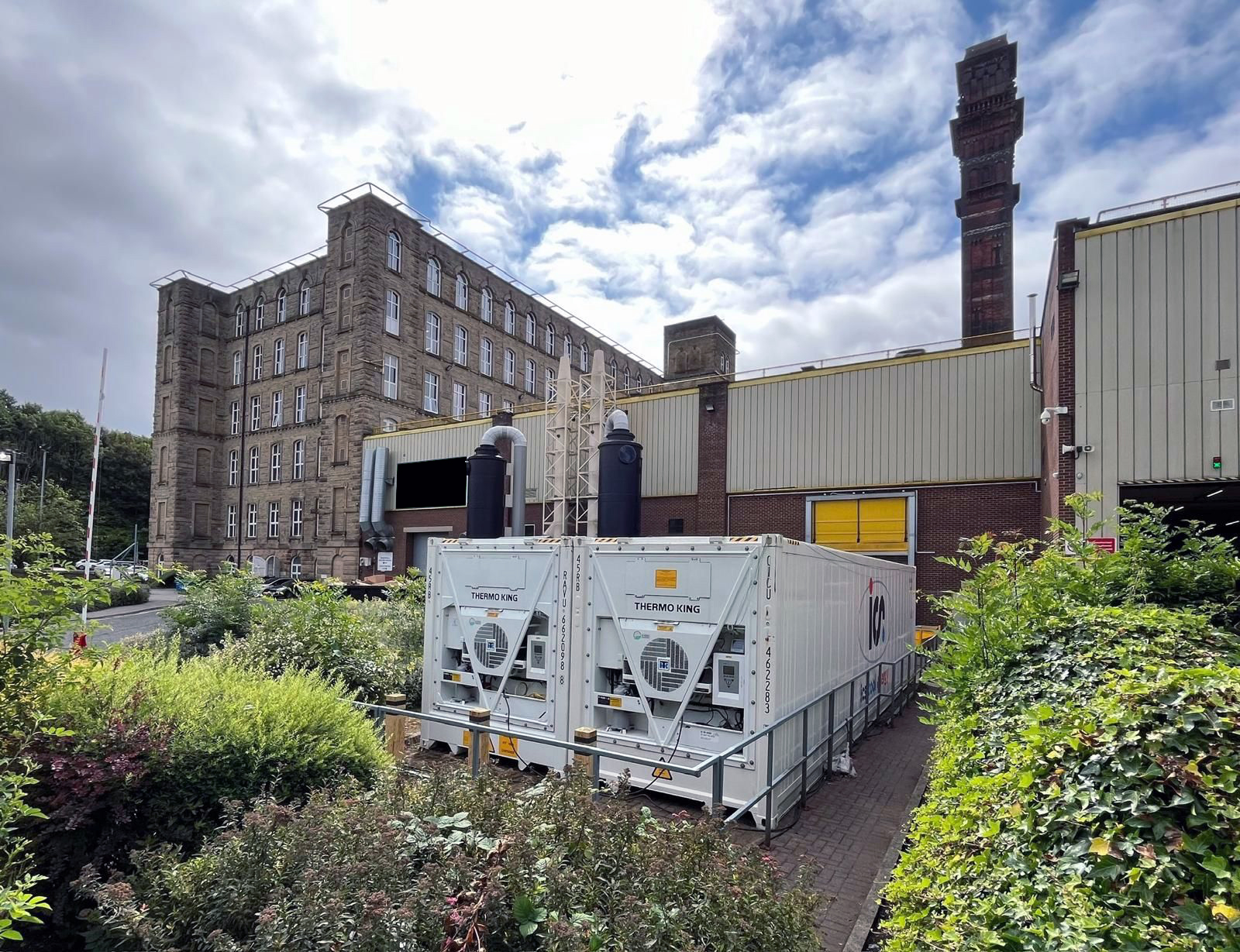
Active refrigeration units—commonly called reefers containers, maintain temperature through mechanical cooling. Reefer containers offer precise control for longer journeys or extreme ambient conditions. Unlike passive systems, active refrigeration can respond to changing conditions throughout transit.
Cold chain storage and warehousing
Cold storage facilities serve as critical holding points in the supply chain. How a warehouse is designed and operated directly impacts product integrity.
Key considerations include:
- Temperature zoning: Separating areas for frozen, refrigerated, and ambient goods prevents conditions from bleeding into each other
- Air circulation: Proper airflow ensures even cooling and prevents warm spots where products might be exposed to higher temperatures
- Loading dock protocols: Minimising door open times and using dock seals reduces temperature exposure during transfers
Cold chain transportation and distribution
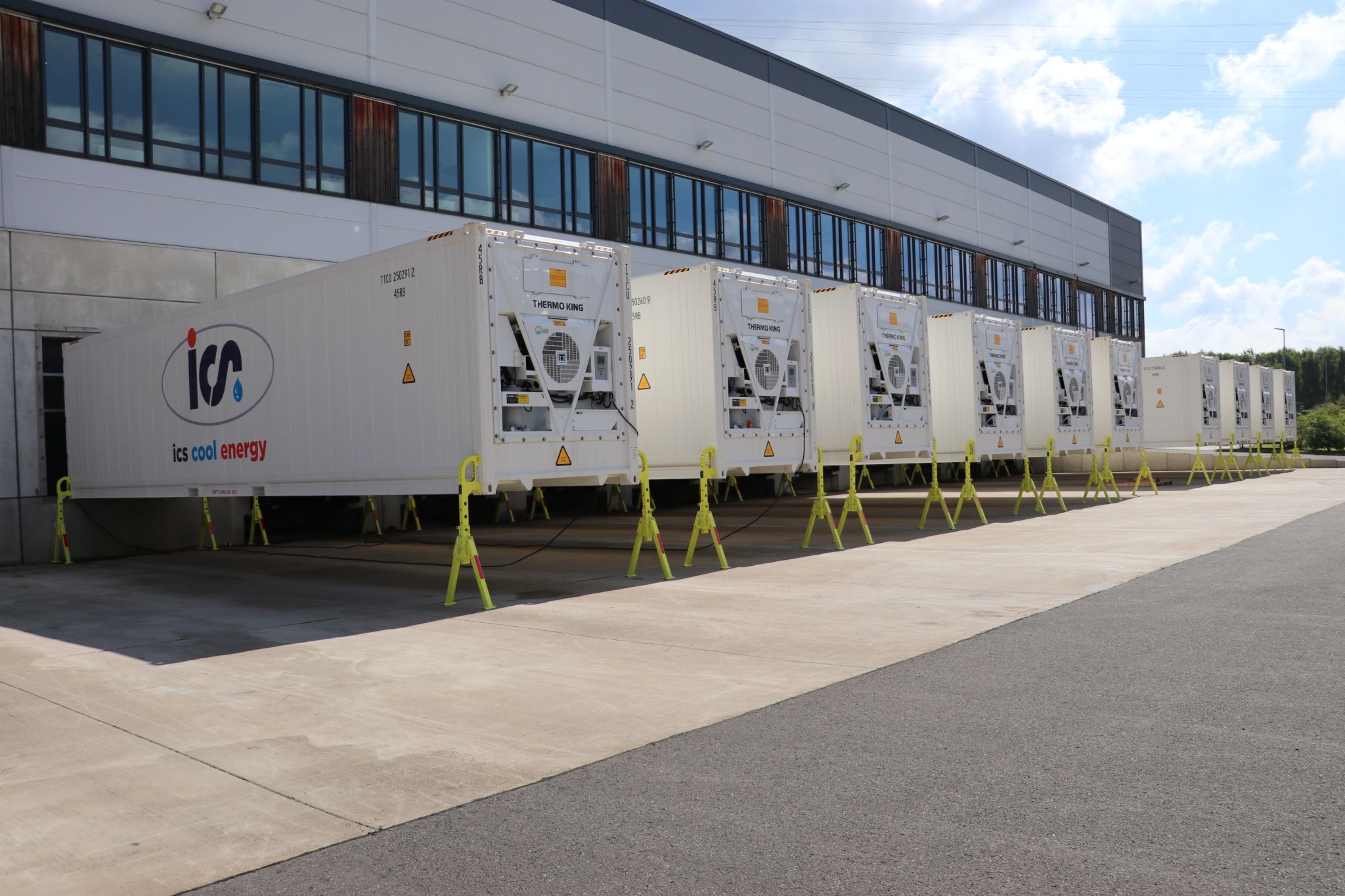
Moving temperature-sensitive goods requires planning across every mode—road, air, rail, or sea. Each handoff point introduces potential risk, so visibility and coordination matter throughout.
- Mode selection: Air freight offers speed for urgent shipments, while ocean containers suit large volumes over longer timeframes
- Route planning: Weather patterns, transit times, and the number of handoffs all influence temperature stability
- Carrier qualification: Vetting partners for equipment maintenance, training, and temperature-control capabilities helps prevent failures before they happen
Cold chain monitoring and technology
Technology provides visibility into conditions that would otherwise remain invisible until products arrive damaged. Modern solutions range from simple data loggers to sophisticated connected platforms.
IoT sensors and data loggers
Data loggers record temperature, humidity, and sometimes location throughout transit. IoT sensors—connected devices that transmit data wirelessly—allow teams to access readings remotely rather than waiting until delivery. The difference between a logger and an IoT sensor is connectivity: loggers store data locally while IoT devices send it in real time.
Real-time GPS tracking
Live tracking allows logistics teams to monitor shipment location and respond quickly to delays or route changes. When combined with temperature data, GPS tracking creates a complete picture of where a shipment is and what conditions it’s experiencing.
Temperature excursion alerts
Automated alerts notify stakeholders when temperatures breach acceptable thresholds. A temperature excursion is any deviation outside the required range, whether too warm or too cold. Early alerts create opportunities to intervene before minor issues become major losses.
Cold chain compliance and regulatory standards
Multiple agencies govern cold chain requirements depending on product type and geography. The specific rules vary, but the underlying principle is consistent: document everything and prove products stayed within range.
MHRA & FSA requirements
In the UK, cold chain reliability underpins critical supply chains, from NHS vaccine and medicine distribution to retailers’ chilled and frozen goods. Post-Brexit border checks add complexity, making end-to-end monitoring and MHRA-aligned Good Distribution Practice essential.
Good distribution practice
GDP guidelines establish quality standards for pharmaceutical distribution. GDP covers personnel training, transportation validation, deviation management, and documentation requirements. Compliance demonstrates that a company handles products according to recognised quality standards.
WHO and HACCP guidelines
The World Health Organization provides vaccine cold chain guidance used globally. HACCP—Hazard Analysis Critical Control Points—offers a systematic approach to food safety that identifies temperature control as a critical element. Both frameworks emphasise prevention over reaction.
Common cold chain challenges and risks
Even well-designed cold chains face recurring challenges. Recognising common failure points makes it easier to address them proactively.
- Temperature excursions: Unplanned deviations from required ranges remain the most frequent failure mode
- Equipment failures: Refrigeration breakdowns during transit or storage can occur without warning
- Human error: Improper handling, loading mistakes, or documentation gaps introduce preventable risk
- Supply chain complexity: Coordinating multiple handoffs across organisations increases the number of exposure points
- Last-mile vulnerabilities: Final delivery often involves less controlled conditions than earlier stages
Best practices for cold chain handling
Strengthening the cold chain comes down to consistent practices applied across all touchpoints. The following approaches address the most common sources of failure.
1. Standardise handling SOPs
Written procedures for every stage—from receiving to dispatch—create consistency and accountability. Clear documentation also supports training and simplifies audits.
2. Train personnel continuously
Everyone who touches temperature-sensitive products benefits from understanding why protocols exist. Regular refreshers keep best practices top of mind and help new team members get up to speed quickly.
3. Validate packaging and equipment
Testing packaging configurations before live shipments confirms they perform as expected under real-world conditions. Validation studies typically account for seasonal variations and worst-case scenarios.
4. Monitor temperature end to end
Data loggers or sensors from origin to destination provide complete visibility. Gaps in monitoring create blind spots where problems go undetected until it’s too late.
5. Audit and improve performance
Regular review of temperature data, excursion reports, and near-misses reveals patterns. Turning insights into process improvements creates a cycle of continuous refinement.
Industries that rely on cold chain management
Cold chain principles apply wherever temperature-sensitive products exist. While the specifics vary by industry, the fundamentals remain consistent.
Pharmaceuticals and vaccines
Temperature-sensitive drugs, biologics, and immunisations require precise control throughout distribution. Vaccine cold chain management has received particular attention given global immunisation efforts and the introduction of ultra-cold mRNA vaccines.
Food and beverage
Perishables including dairy, meat, seafood, and fresh produce depend on refrigeration from farm to table. Frozen foods require an unbroken cold chain throughout distribution to maintain quality and safety.
Biotech and life sciences
Lab samples, clinical trial materials, and cell therapies often demand ultra-low temperatures. The stakes in biotech applications—patient safety and research integrity—make cold chain reliability especially critical.
Chemicals and speciality materials
Certain chemicals, reagents, and industrial materials require controlled environments. Temperature sensitivity in chemical products may affect performance characteristics rather than safety, but the economic impact of degradation can still be significant.
Building a reliable cold chain strategy
A reliable cold chain programme combines appropriate equipment, trained personnel, validated processes, and continuous monitoring. No single element guarantees success—reliability comes from how all the components work together.
Mapping the current cold chain to identify vulnerabilities is a practical starting point. From there, prioritising improvements based on risk and impact helps focus resources where they matter most. Regular audits and data review keep the programme evolving as products, regulations, and conditions change over time.
Related Articles
August 5, 2026
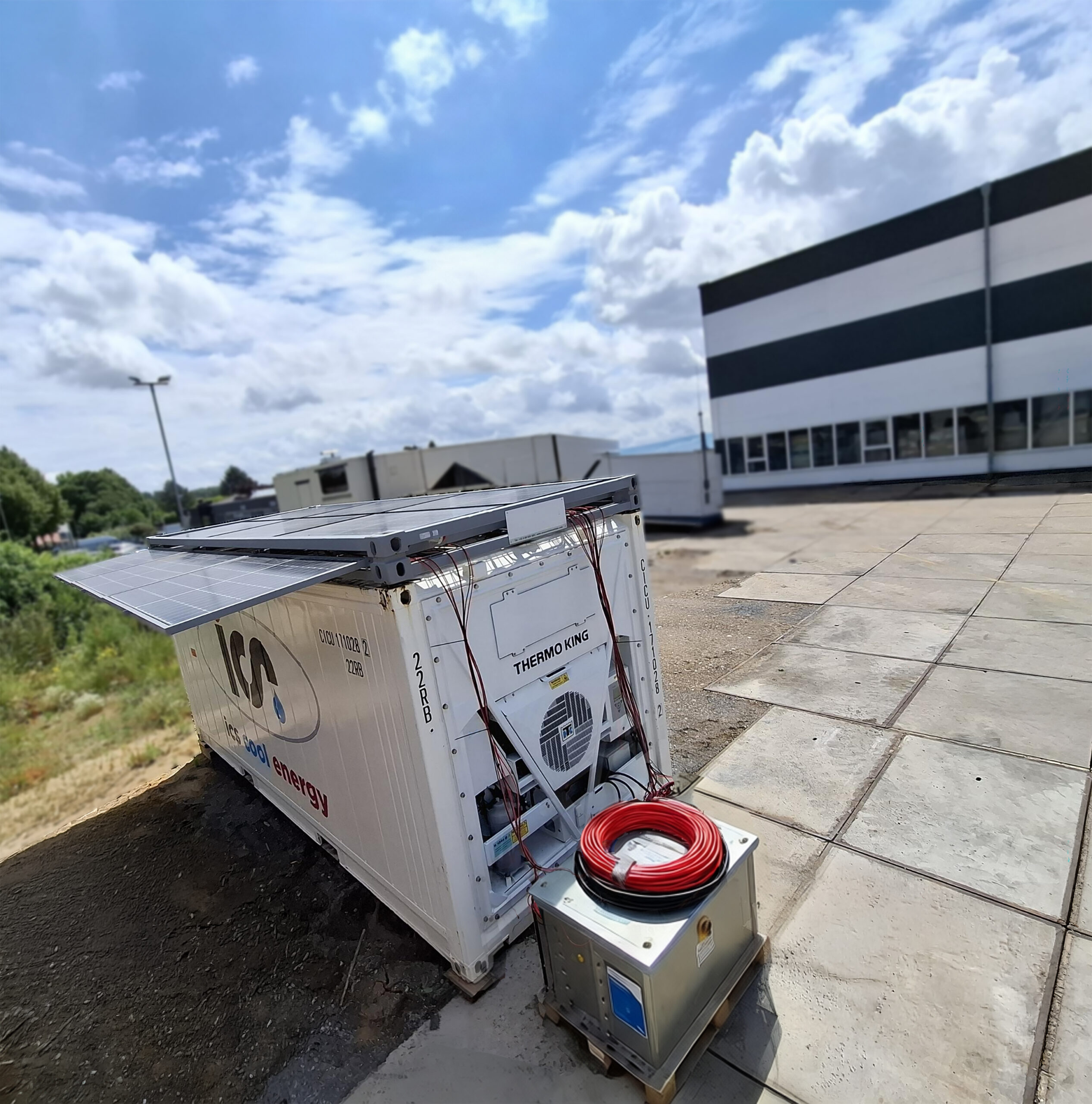
ICS Cool Energy runs 7-day trial for solar-powered refrigerated container, delivering 24/7 operation at -18°C setpoint
Field test demonstrated ICS Cool Energy’s solar-powered cold store container can maintain precise temperature for frozen applications for over a week, even under adverse conditions....
Read More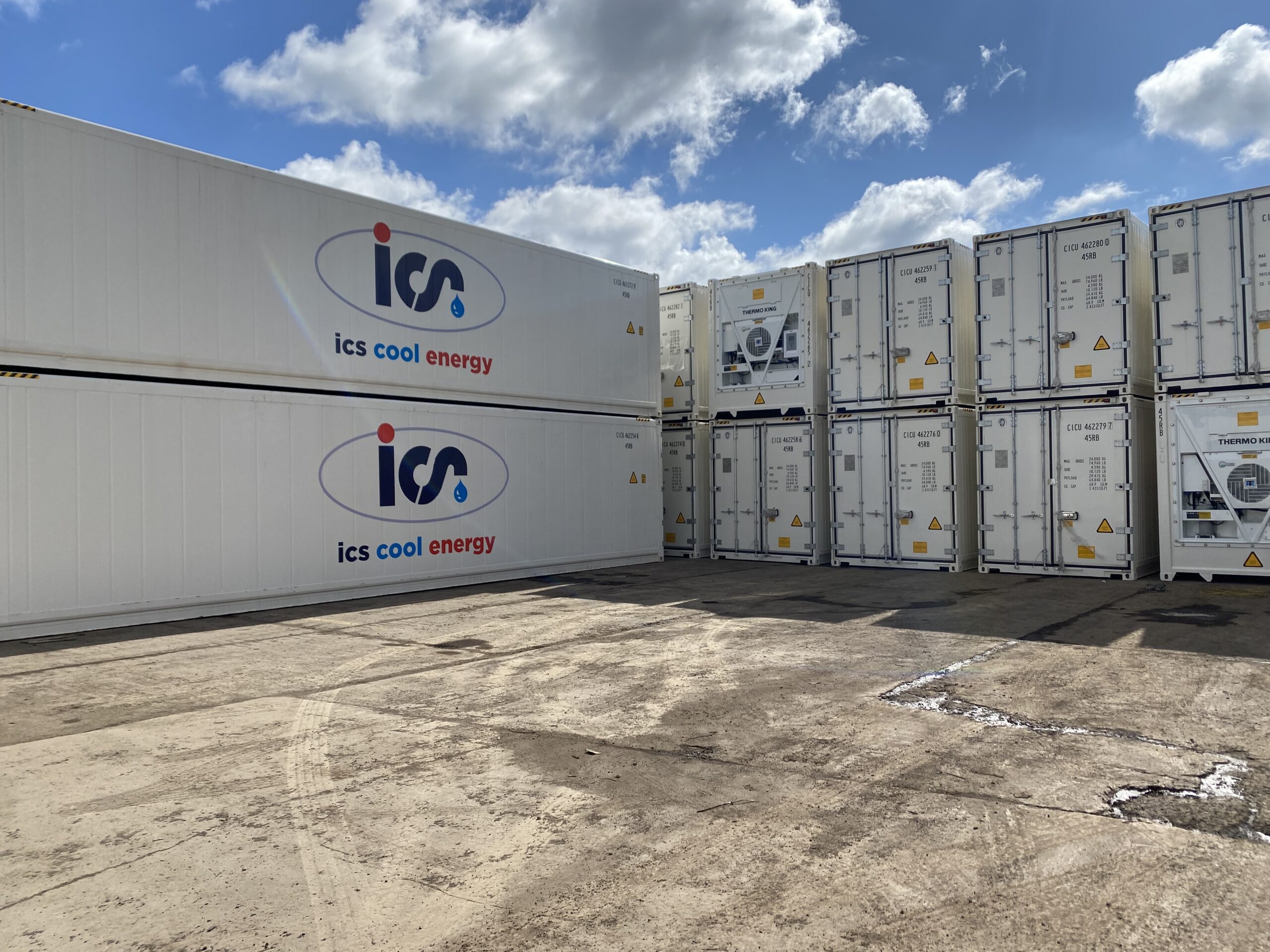
June 26, 2026
Cold Storage Hire Vs Buying: Making The Right Decision For Your Business
The choice between hiring a cold storage unit and buying a cold storage room shapes your cash flow, your operational flexibility, and how much hassle...
Read More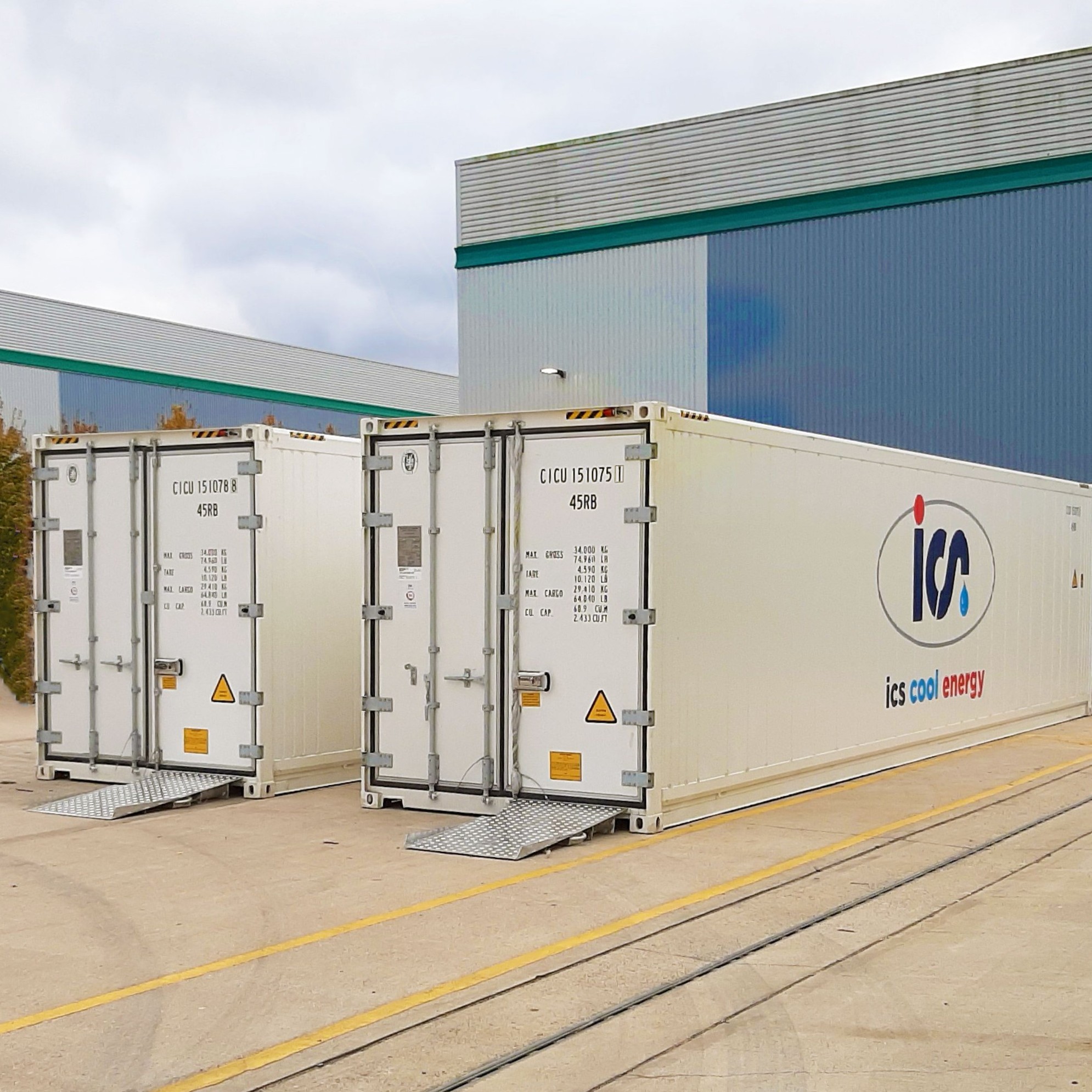
June 9, 2026
Reducing Pharma Temperature-Control Risk: How Temporary Cold Store Solutions Protect High-Value Product
Pharmaceutical operations depend on precise temperature control across process cooling, controlled environments, and cold storage. Temporary cold store solutions help protect high-value, temperature-sensitive products during...
Read More